Can you pay for groceries, rent, or a laptop with Bitcoin in Russia? The short answer is no - not legally, not for everyday purchases inside the country. But the full picture is far more complicated than a simple ban. Russia doesn’t outlaw owning crypto. It doesn’t even stop you from trading it. What it does outlaw is using it to buy anything - from coffee to cars - on Russian soil. This isn’t just a rule. It’s a policy with teeth, fines, and real consequences.
Own Crypto? Fine. Use It to Pay? Illegal
You can hold Bitcoin, Ethereum, or any other digital asset in your wallet without breaking the law. The Russian government doesn’t care if you bought $10,000 worth of crypto last year. What they care about is what you do with it. Using cryptocurrency to pay for goods or services within Russia is explicitly forbidden. This rule applies to individuals, small businesses, and even large corporations. Even if a store says they accept Bitcoin, doing so puts both you and the merchant at legal risk. The Central Bank of Russia has been clear: the ruble is the only legal tender. Any attempt to replace it - even partially - with digital assets is seen as a threat to financial stability. That’s why, even though millions of Russians hold crypto, they’re forced to convert it back to rubles before spending it. You can’t pay your utility bill with Dogecoin. You can’t tip a delivery driver in USDT. And if you try, you’re violating federal law.The One Exception: International Trade
There’s one big loophole - and it’s not for you. Russia allows crypto payments in international transactions under something called the Experimental Legal Regime (ELR). This isn’t a gray area. It’s a legal channel created specifically for Russian companies to trade with foreign partners using digital assets. Why? Because Western sanctions cut off access to traditional banking systems like SWIFT. Crypto became a workaround. Think of it this way: a Russian oil company can sell crude to a buyer in India and get paid in Ethereum. That’s legal. But if that same company tries to pay its local warehouse staff in Bitcoin? That’s a fine. The ELR is tightly controlled. Only a small group of approved businesses can use it, and they must report every transaction to the state. Ordinary people can’t access this system. It’s not a backdoor for consumers - it’s a tool for sanctioned corporations.Fines Are Coming - And They’re Heavy
In 2026, the rules get stricter. New legislation will slap fines on anyone caught using crypto for domestic payments. Individuals could pay between 100,000 and 200,000 rubles (about $1,100-$2,200). For companies? That jumps to 700,000-1 million rubles ($7,700-$11,000). And that’s not all. The crypto you used to pay? It gets seized. No warning. No second chance. Just taken. These aren’t empty threats. Russian authorities have built automated systems to track crypto activity. They cross-reference blockchain data with bank records and tax filings. If you bought $50,000 in Bitcoin and suddenly paid your landlord in ETH, the system will flag it. The government doesn’t need you to confess. They just need the data.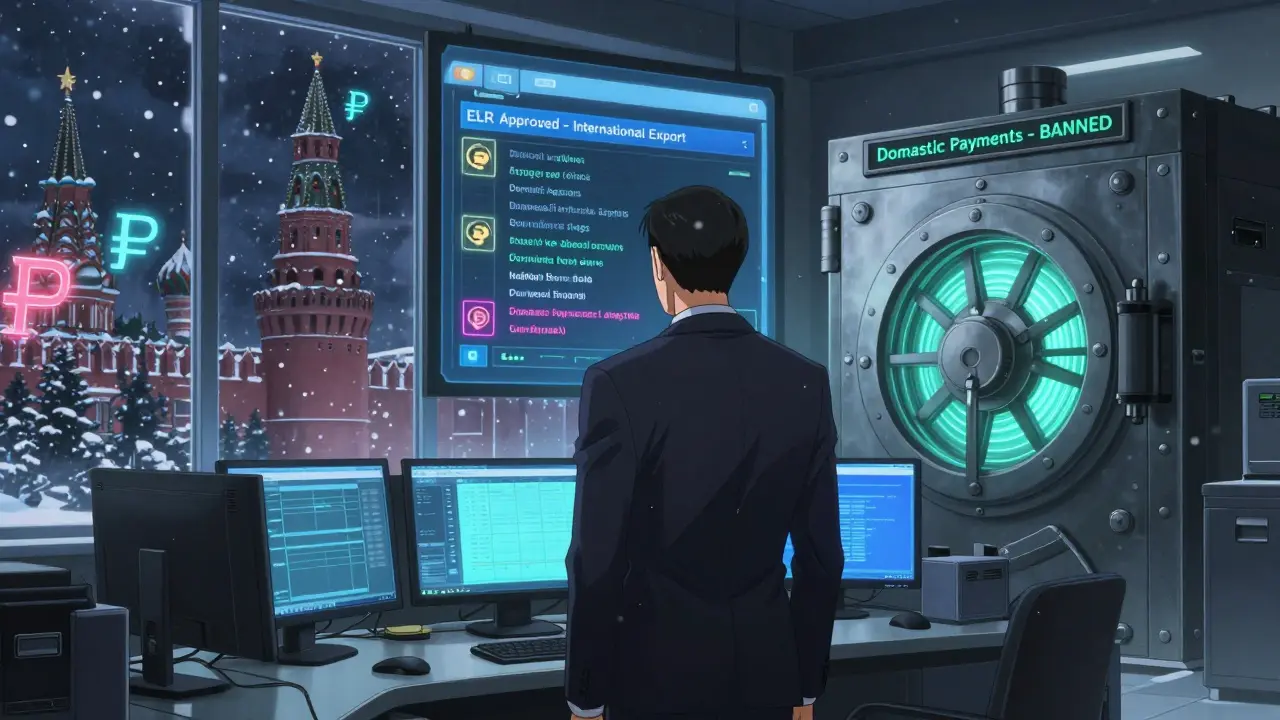
Taxes Are Non-Negotiable
Even if you don’t spend your crypto, you still owe taxes. Russia treats crypto as property, not currency. That means every time you sell, trade, mine, stake, or earn airdrops, you’ve earned taxable income. You must report it by April 30 each year and pay by July 15. All values must be converted to rubles using official exchange rates. The penalties for skipping this are brutal. If you fail to report transactions totaling 45 million rubles (over $500,000) in two of the last three years, you could face up to five years in prison. Even smaller mistakes - like forgetting to report a $1,000 staking reward - can trigger a 50,000-ruble fine and a 40% tax penalty. Mining and trading are exempt from VAT, but every dollar of profit is subject to income tax. The system doesn’t care if you think it’s unfair. It cares if you file.Why Is Russia So Strict?
The answer isn’t just about control. It’s about survival. After the 2022 invasion of Ukraine, Western sanctions froze Russian banks out of global finance. Suddenly, Russians couldn’t use Visa, Mastercard, or PayPal. They couldn’t receive payments from abroad. Crypto filled the gap - not because people loved it, but because they had no other choice. The government saw this as dangerous. If people start relying on crypto for daily life, the ruble weakens. If businesses bypass banks entirely, tax revenue drops. If shadow payments grow, the state loses control. So they cracked down. Not to stop crypto forever - but to stop it from replacing the ruble. It’s working. Russia dropped from 7th to last in the top 10 on Chainalysis’s 2025 Global Adoption Index. People still hold crypto - over $40 billion worth, according to industry estimates - but they’re not using it to pay. They’re holding it, trading it, or moving it offshore.