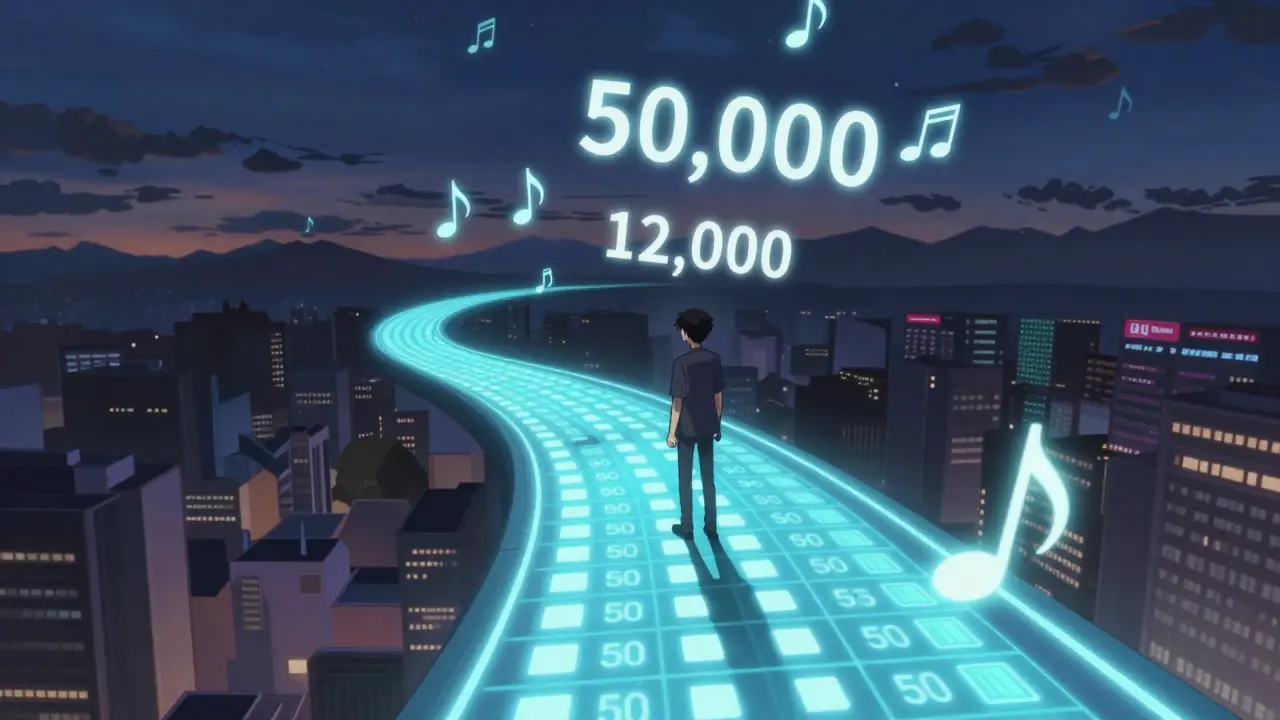
Imagine you’re a musician who just released a new track. You upload it to a streaming platform, and within hours, it’s been played 50,000 times. But when you check your royalty statement six months later, you’re paid for only 12,000 plays. The rest? Gone. Lost in a maze of middlemen, mismatched data, and opaque accounting. This isn’t a conspiracy - it’s the norm in today’s digital content world. That’s where blockchain DRM comes in.
What Is Blockchain DRM, Really?
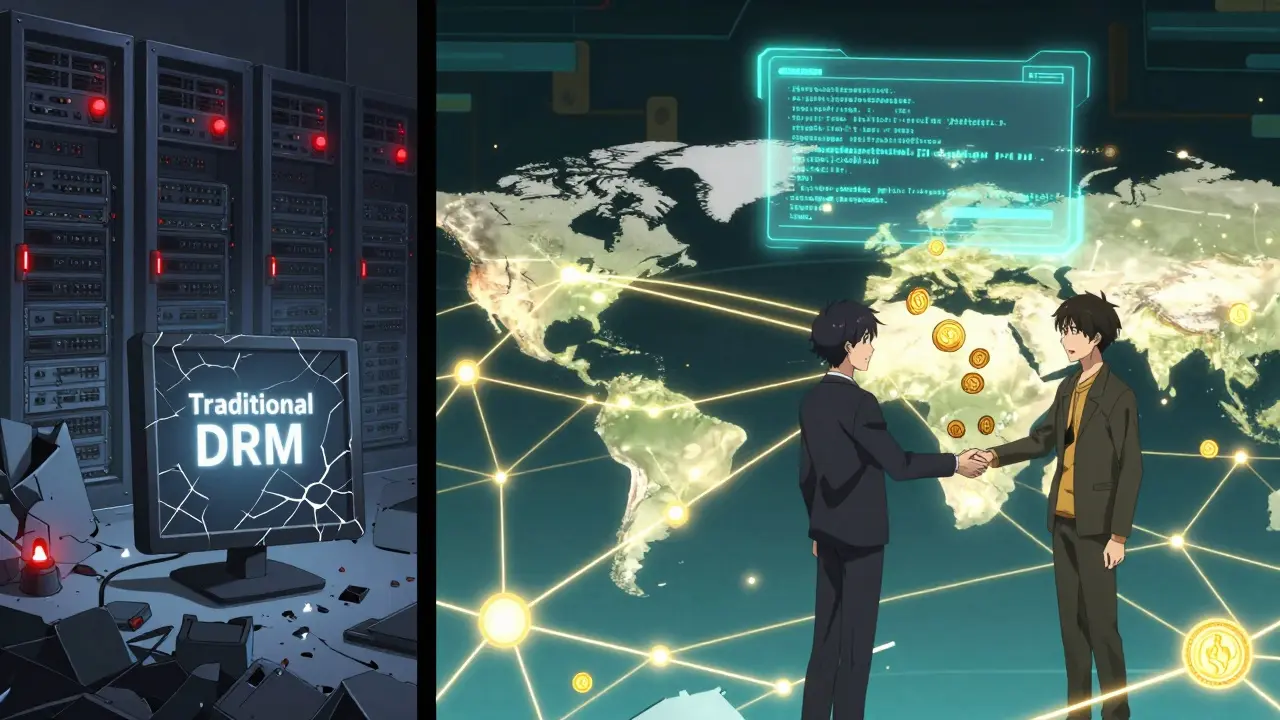
Digital Rights Management (DRM) isn’t new. For years, companies like Apple and Google used centralized systems to lock down music, videos, and e-books. But these systems were brittle. They relied on single servers. One breach, one glitch, and your rights vanish. Blockchain DRM flips this. Instead of trusting a company to track who owns what, it uses a public, unchangeable ledger - like a digital notary that never forgets.
Every time a song is bought, streamed, or licensed, that transaction gets recorded on the blockchain. No central authority. No hidden spreadsheets. Just a permanent, transparent record of who created it, who paid for it, and who used it. This isn’t theory. It’s already happening. Platforms like Audius and Ujo Music use blockchain to pay artists within days, not months. One independent artist in Norway saw royalty errors drop from 12% to 0.3% after switching.
How It Works: The Three Pillars
Blockchain DRM doesn’t magic away problems. It solves them with three core technologies:
- Cryptography: Every file is hashed using SHA-256. Only the owner with the private key can unlock or transfer rights. If someone tries to copy your track without permission, the system knows - because the original hash is stored forever.
- Decentralization: There’s no single company holding your rights. The ledger runs on hundreds of computers worldwide. Even if one server crashes, your ownership record stays safe.
- Smart Contracts: These are self-executing rules written in code. Need to pay 15% of every stream to your producer? Set it once. The contract automatically sends money when the stream happens. No invoices. No delays. No disputes.
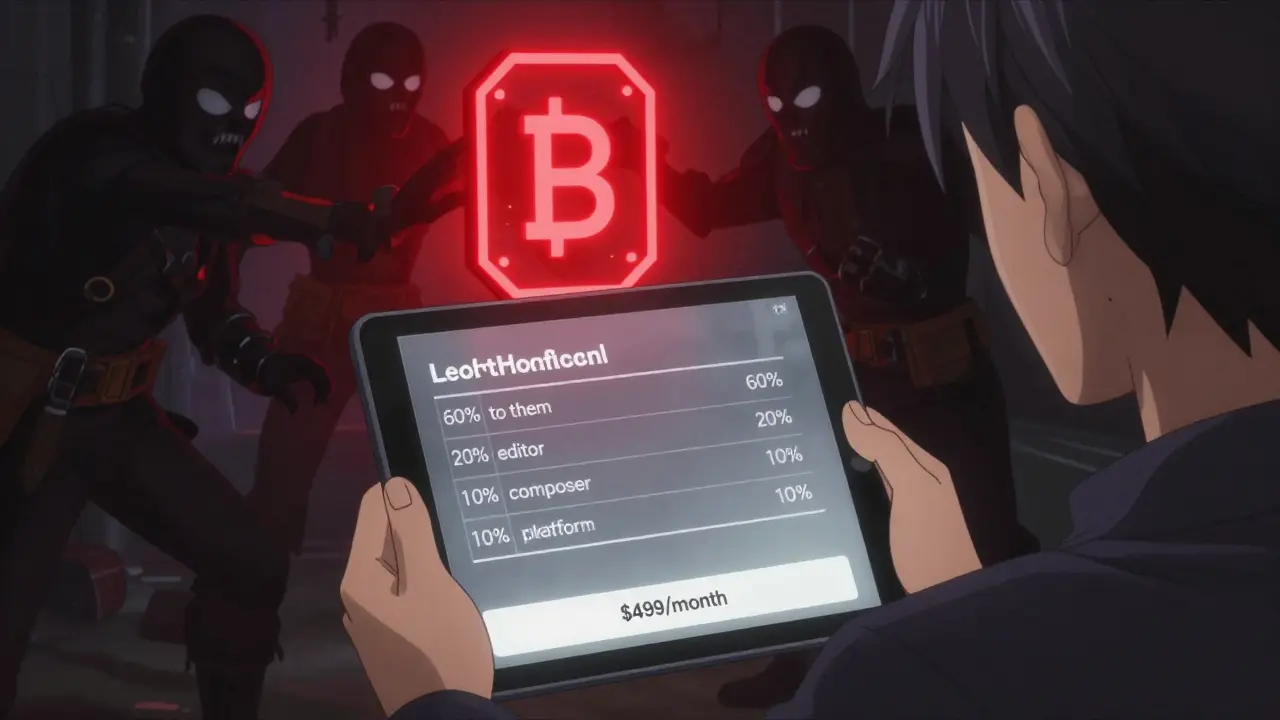
For example, a filmmaker uploads a short film to a blockchain DRM platform. The system creates a unique digital fingerprint of the file, stores it on IPFS (a decentralized storage network), and links it to a smart contract. Every time someone rents it, the contract triggers: 60% goes to the filmmaker, 20% to the editor, 10% to the composer, and 10% to the platform. All in under five seconds.
Why It’s Better Than Old DRM Systems
Traditional DRM? Think Apple FairPlay or Google Widevine. They work - but they’re closed boxes. You can’t see how royalties are calculated. You can’t prove ownership without their permission. And they’ve been hacked 14 times since 2018.
Blockchain DRM? Open, auditable, and tamper-proof. Here’s how they compare:
| Feature | Blockchain DRM | Traditional DRM |
|---|---|---|
| Ownership Proof | Immutable, public ledger | Depends on company’s internal records |
| Royalty Processing Time | 2-5 seconds per transaction | 24-72 hours |
| System Downtime Risk | None (decentralized) | High (single server) |
| Initial Setup Cost | $180,000-$350,000 | $250,000-$500,000 |
| Annual Maintenance | 8-12% | 15-20% |
| User Awareness | 22% | 89% |
Notice the trade-off? Blockchain is cheaper to maintain, more secure, and faster. But most users don’t even know it exists. That’s the adoption hurdle.
Real-World Wins - And One Big Failure
Not every blockchain DRM project works. But the ones that do? They’re game-changers.
Take the Norwegian Grammy Awards. Before blockchain, royalty payments took nine months. Errors were common. After switching, payments dropped to 14 days. Zero errors. Musicians could finally plan their rent.
Or Audius. Independent artists there report 37% higher royalty payouts because there’s no middleman siphoning off fees. One user wrote: “I finally see exactly where my streams come from - no more guessing.”
But not all succeed. RightsChain, a 2021 startup, raised $6 million. Their blockchain DRM couldn’t talk to Spotify, Apple Music, or YouTube. The system was useless. Investors lost everything. The lesson? Interoperability isn’t optional. If your blockchain doesn’t connect to the platforms people actually use, it’s just a digital sculpture.
Challenges You Can’t Ignore
Blockchain DRM isn’t magic. It has real problems:
- Scalability: Ethereum handles 15-30 transactions per second. Visa handles 24,000. For high-volume content like live streams, that’s a bottleneck.
- Cost: Gas fees on Ethereum can spike. One filmmaker lost 22% of his rental income to fees during a network rush.
- Legal Gray Zones: The U.S. Copyright Office says blockchain records aren’t legal proof - you still need to register with them. The EU, however, accepts them as evidence. It’s a patchwork.
- Learning Curve: 78% of creators need 20-40 hours of training just to use the tools. Most aren’t tech-savvy. They just want to make art.
And then there’s the elephant in the room: enforcement. Professor Alan Grant of Stanford put it bluntly: “Blockchain solves verification, not enforcement.” If someone steals your song and uploads it to a pirate site, the blockchain tells you it happened - but it can’t take it down. You still need lawyers.
What’s Next? The Road Ahead
The future is being built right now.
- Amazon launched AWS Blockchain DRM Templates in June 2023. They cut setup time by 40%. No more coding from scratch.
- Adobe’s Content Authenticity Initiative now supports blockchain verification for 200 million Creative Cloud users. Your Photoshop files? They’ll carry a blockchain-tracked history.
- The EU’s Blockchain Services Infrastructure is rolling out in 2024. It’ll connect 27 countries into one rights management network.
By 2026, IDC predicts blockchain will handle 35% of all digital content transactions. Music labels are leading - 68% of major ones have already adopted it. But indie creators? They’re still waiting for affordable tools.
That’s changing. New royalty-sharing models are emerging. Instead of paying $300,000 upfront, startups now offer subscription plans under $500/month. Suddenly, a solo podcaster or indie filmmaker can afford it.
Is It Right for You?
If you’re a major studio? Blockchain DRM is no longer optional. The data is clear: lower costs, faster payouts, fewer disputes.
If you’re an independent creator? Wait for the tools to get simpler. Look for platforms that integrate with YouTube, Spotify, and Bandcamp. Avoid anything that requires you to manage crypto wallets unless you’re already comfortable with it.
The goal isn’t to replace every DRM system. It’s to fix the broken ones. Blockchain doesn’t need to win - it just needs to work where traditional systems fail.
Right now, it’s doing exactly that.
Can blockchain DRM prevent piracy entirely?
No. Blockchain can prove who owns a file and track its usage, but it can’t stop someone from downloading and redistributing it illegally. Enforcement still requires legal action or takedown requests. Blockchain solves the "who did it?" problem, not the "how do we stop them?" problem.
Do I need cryptocurrency to use blockchain DRM?
Not necessarily. Many platforms now accept credit cards or bank transfers to pay for blockchain-based licensing. You might use crypto for gas fees, but you don’t need to own or trade it. Some systems even use stablecoins (like USDC) to avoid price swings.
Is blockchain DRM more secure than traditional DRM?
Yes - in practice. Traditional DRM systems have been breached 14 times since 2018 because they rely on centralized servers. Blockchain DRM has no single point of failure. Even if one node is hacked, the ledger remains intact across hundreds of others. Data can’t be erased or altered once recorded.
What happens if the blockchain network shuts down?
Blockchain networks are designed to be resilient. Even if one provider goes under, the ledger lives on thousands of other computers. The data is stored across a global network, not in one company’s server room. Think of it like the internet - no single company owns it, and it keeps running.
Can blockchain DRM work with my existing content platform?
Yes, if you choose the right provider. As of 2023, 78% of major blockchain DRM platforms support direct integration with Adobe Creative Cloud, Apple FairPlay, and Google Widevine. You don’t have to rebuild your system - you just add a blockchain layer on top.
Blockchain DRM isn’t about replacing the internet. It’s about fixing its broken promises - fair pay, clear ownership, and real control for creators. The tech is here. The question is whether we’re ready to use it.
Arlene Miles
March 15, 2026 AT 03:44Ricky Fairlamb
March 15, 2026 AT 23:04Konakuze Christopher
March 17, 2026 AT 13:30Zachary N
March 18, 2026 AT 02:35Marc Morgan
March 19, 2026 AT 21:25Jessica Beadle
March 20, 2026 AT 20:33Brenda White
March 22, 2026 AT 07:58Tobias Wriedt
March 23, 2026 AT 23:38Arlene Miles
March 24, 2026 AT 14:25Kira Dreamland
March 26, 2026 AT 11:35Prakash Patel
March 27, 2026 AT 15:02john peter
March 28, 2026 AT 00:32Carol Lueneburg
March 29, 2026 AT 08:39