
In Nepal, owning or trading cryptocurrency is a crime. Not a gray area. Not a warning. Not a fine you can pay and walk away from. It’s criminal - punishable by up to three years in prison, massive fines, and seizure of everything linked to the transaction. The Nepal Rastra Bank (NRB) made it crystal clear in 2021: no crypto trading, no mining, no payments, no wallets. Zero tolerance. And yet, thousands of Nepalis are doing it anyway.
Why Risk Prison for Bitcoin?
The answer isn’t speculation. It isn’t hype. It’s survival. Nepal relies on remittances - money sent home by workers abroad - for nearly 25% of its entire economy. In 2024, Nepalis abroad sent home over $10 billion. Most of that flows through formal channels like Western Union or MoneyGram, but those services charge up to 10% in fees. A family in Kathmandu receiving $500 might get just $450. That’s $50 lost to bureaucracy, delays, and middlemen. Cryptocurrency cuts that cost to under 1%. A Nepali worker in Malaysia or Qatar can send Bitcoin or USDT directly to a family member’s digital wallet. No bank forms. No waiting days. No hidden fees. The recipient converts it to Nepali rupees through a local peer-to-peer buyer - often a friend, a shopkeeper, or a trusted contact who cashes out in person. It’s fast. It’s cheap. And it’s illegal.How They Do It Without Getting Caught
There’s no official guide. No public forum. No app store listing. This is all done in whispers, encrypted chats, and hidden Telegram groups. People use VPNs to access foreign exchanges like Binance or Kraken. They buy crypto with local bank transfers - often through third-party intermediaries who don’t ask questions. Once they have Bitcoin or Tether, they hold it in hardware wallets or cold storage. When they need cash, they meet someone in a café, a park, or even a temple parking lot. Cash changes hands. The crypto moves. No receipts. No trace. Some use decentralized exchanges (DEXs) that don’t require KYC. Others trade directly on platforms like LocalBitcoins or Paxful, where buyers and sellers negotiate prices in Nepali rupees. The price of Bitcoin in Nepal often trades at a 5-15% premium compared to global rates - because of the risk. That premium? It’s the cost of doing business underground. The police know. The NRB knows. But catching people is hard. Most transactions are small. Most users are young, tech-savvy, and careful. They don’t brag. They don’t post screenshots. They use burner phones. They avoid linking crypto to their real names. The government has made arrests - mostly targeting larger operators, not individual users. But the underground network keeps growing.Who’s Doing This - And Why They Won’t Stop
It’s not just the poor. It’s students. IT graduates. Freelancers. Nurses in Saudi Arabia. Drivers in Qatar. Even some small business owners in Pokhara who use crypto to pay for overseas suppliers. The common thread? They’ve seen how fast and cheap crypto can be. They’ve watched friends get paid in hours instead of weeks. They’ve lost money to bank delays and scams in traditional remittance systems. The youth are especially frustrated. Nepal has one of the youngest populations in South Asia. Over 60% of people are under 35. Many learned about blockchain in college. They’ve built apps. They’ve coded smart contracts. But the government tells them: “You can’t use this. It’s dangerous.” So they use it anyway - quietly, carefully, defiantly. The older generation? They still trust banks. They fear scams. They believe the government’s warnings about fraud and money laundering. But even they’re starting to notice: their kids aren’t using the same remittance services they did. They’re asking, “Why can’t we do this legally?”
The Government’s Countermove: A Digital Rupee
The NRB isn’t ignoring the problem. It’s trying to solve it - on its own terms. By 2026, Nepal plans to launch its own central bank digital currency (CBDC), the digital Nepali rupee. It’ll be controlled entirely by the state. No decentralization. No anonymity. No foreign access. You’ll need a government ID. You’ll need a bank account. Every transaction will be tracked. The government says this will bring financial inclusion. That it’ll reduce fraud. That it’ll protect the economy. But critics say it’s just a way to maintain control. The CBDC won’t let you send money abroad without approval. It won’t cut remittance fees. It won’t give you freedom. It’ll just replace one locked system with another. And that’s the problem. The demand isn’t for a government-approved digital currency. It’s for freedom - freedom from fees, from delays, from bureaucracy. People don’t want a state-run app. They want Bitcoin. They want USDT. They want to move money like the rest of the world does.The Hidden Costs of Going Underground
This isn’t risk-free. People lose money every day. Scammers pose as buyers. Fake wallets disappear. Some users get tricked into sending crypto to the wrong address - and there’s no way to reverse it. No customer service. No chargeback. No legal recourse. There’s also the fear. A friend gets arrested. A neighbor’s phone is seized. Rumors spread. People delete apps. They stop talking. But within weeks, the same people are back - because the need is too real. A sick parent needs medicine. A child needs school fees. A worker needs to send money home before the rent is due. Crypto is the only tool that works. The government’s crackdowns have made the system more dangerous, not less. Underground markets are now run by unregulated middlemen - some with ties to organized crime. People pay more. They get less. And if something goes wrong, they can’t call the police. They can’t report it. They just lose everything.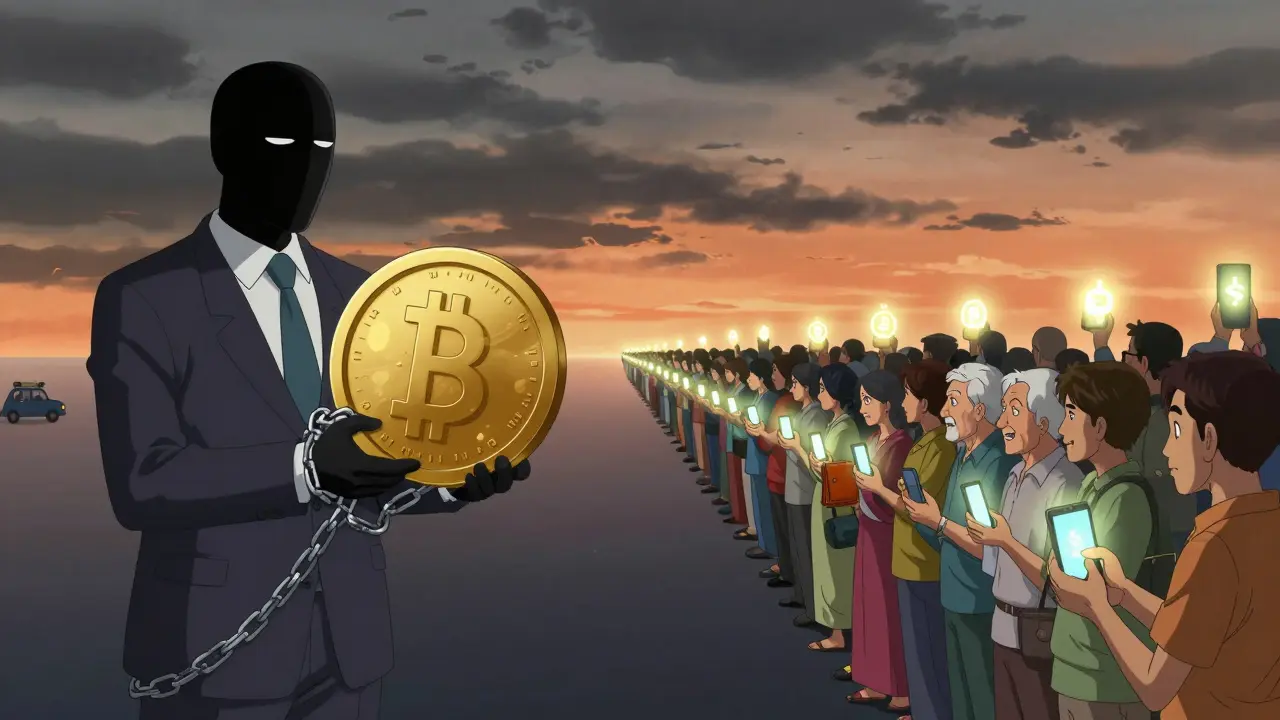
What Happens When the Ban Can’t Be Enforced?
Nepal’s ban is absolute. But enforcement? That’s another story. The country has over 30 million people. Millions work abroad. Millions have smartphones. Millions are connected. Trying to stop crypto in this environment is like trying to stop water from flowing downhill. Countries like India and Vietnam once had strict bans too. They didn’t work. People kept using crypto. Eventually, those governments changed course. They regulated. They taxed. They brought it into the light. Nepal could do the same. It could legalize crypto for remittances. It could require exchanges to register. It could tax transactions. It could protect users. But instead, it’s doubling down on punishment. It’s choosing control over practicality. The result? A thriving black market. A generation of young people who don’t trust their own government. And a financial system that’s slowly being bypassed - not by big banks or foreign corporations, but by ordinary Nepalis who just want to send money home without losing half of it.What Comes Next?
The ban won’t last forever. It’s unsustainable. The demand is too strong. The technology is too simple. The cost of ignoring it is too high. For now, Nepalis keep using crypto - quietly, carefully, bravely. They know the risks. They know the penalties. But they also know what happens when they don’t use it. Their families suffer. Their budgets break. Their dreams stall. The government may win the battle - arresting a few people, shutting down a few wallets. But if history teaches us anything, it’s that you can’t ban innovation forever. You can only delay it. And when it finally comes, it won’t come through official channels. It’ll come through the people - the same people the government claims it’s trying to protect.Is cryptocurrency completely illegal in Nepal?
Yes. As of 2025, all cryptocurrency activities - including trading, mining, holding, and using crypto for payments - are banned under Nepal’s Foreign Exchange Regulation Act (2019). The Nepal Rastra Bank (NRB) enforces this ban, and violations can lead to up to three years in prison, fines up to three times the transaction amount, and asset seizure.
Why do Nepalis still use crypto if it’s illegal?
Mostly for cross-border remittances. Over $10 billion flows into Nepal each year from workers abroad, but traditional services like Western Union charge up to 10% in fees. Crypto cuts that cost to under 1%, and transfers happen in minutes instead of days. For families relying on that money, the risk of breaking the law is worth the savings.
How do Nepalis buy crypto without getting caught?
They use VPNs to access foreign exchanges, buy crypto with bank transfers through intermediaries, and store it in hardware wallets. When cashing out, they meet trusted buyers in person - often in public places like cafés or parks. Transactions are small, untraceable, and done with burner phones to avoid detection.
Has the Nepali government arrested anyone for using crypto?
Yes. There have been multiple arrests, especially targeting larger operators and crypto exchange agents. Most individual users aren’t targeted unless they’re involved in large-scale transactions or are linked to fraud. But the threat is real - police have raided homes and seized phones, laptops, and crypto wallets.
What is Nepal’s plan for digital currency?
Nepal plans to launch its own central bank digital currency (CBDC), the digital Nepali rupee, by 2026. Unlike Bitcoin or Ethereum, this currency will be fully controlled by the Nepal Rastra Bank. Every transaction will be tracked, and users will need government identification. It’s meant to replace crypto, not complement it.
Is crypto use in Nepal growing or shrinking?
It’s growing - despite the risks. With rising remittance demand, youth tech adoption, and frustration with slow banks, more Nepalis are turning to crypto. Official data doesn’t exist, but underground networks are expanding. The ban has created a black market, not a deterrent.
What are the dangers of using crypto in Nepal?
The biggest dangers are scams, theft, and no legal protection. If you get tricked, there’s no way to recover your funds. You can’t report fraud to authorities without risking arrest. Many users lose money to fake buyers, phishing scams, or hacked wallets. The underground nature of the market makes it vulnerable to criminal exploitation.
Will Nepal ever legalize cryptocurrency?
It’s unlikely in the short term, but pressure is mounting. Other countries with strict bans eventually legalized crypto to bring it under regulation. Nepal’s government prefers control over innovation, so a full legalization seems distant. But if the underground economy keeps growing, the state may be forced to compromise - perhaps by allowing crypto for remittances under strict oversight.
Steve Fennell
January 22, 2026 AT 03:33What’s happening in Nepal is a textbook case of policy out of touch with human need. People aren’t using crypto because they’re tech bros - they’re using it because their families depend on it. The government’s ban isn’t protecting anyone; it’s just making the system more dangerous and expensive. This isn’t rebellion - it’s survival.
And let’s be real: if India and Vietnam could shift from prohibition to regulation, why can’t Nepal? The CBDC won’t solve the remittance fee crisis. It’ll just replace one cage with another.
Real financial inclusion means freedom to move money. Not state-approved tracking.
👏
Heather Crane
January 23, 2026 AT 08:19I’m so moved by this. Seriously. The courage of these ordinary people - nurses, drivers, students - risking prison so their kids can eat? That’s not crypto. That’s love. That’s dignity.
The NRB is acting like a parent who bans smartphones because they’re ‘dangerous’ - but doesn’t realize their kid uses it to call them after school.
They’re not breaking the law to be edgy. They’re breaking it because the law is broken.
❤️
Jessica Boling
January 23, 2026 AT 20:23So the government bans crypto but doesn’t ban the 10% fee that drains families dry? That’s not policy. That’s cruelty dressed up as control.
And now they want to replace it with a digital rupee that tracks every penny? Brilliant. Just brilliant.
At this point I’m waiting for the NRB to start charging a ‘remittance tax’ on tears.
🙄
Shamari Harrison
January 23, 2026 AT 20:43This is a perfect example of how technology outpaces regulation - and why trying to suppress it only backfires. The fact that crypto usage is growing despite the ban proves one thing: people will always find a way to meet their needs.
The real question isn’t whether crypto should be legal - it’s whether the government wants to protect its citizens or protect its power.
There’s no moral high ground here. Only misplaced authority.
👏
Harshal Parmar
January 24, 2026 AT 03:07You know what’s wild? The youth in Nepal aren’t even asking for permission anymore. They’re just doing it. They learned blockchain in college, coded apps, watched their cousins lose hundreds to Western Union delays, and said ‘nah, I’m not doing that.’
They’re not crypto evangelists - they’re practical people with smartphones. And they’re not waiting for some bureaucrat to say ‘okay’ before they help their family. That’s the real story here.
Meanwhile, the government’s still stuck in 2008 thinking Bitcoin is a drug.
It’s not about tech. It’s about trust. And Nepal’s government just lost it.
And honestly? I’m proud of them.
🙌
Catherine Hays
January 25, 2026 AT 02:35This is why I hate when people romanticize lawbreakers. You’re not brave for breaking the law. You’re just irresponsible. Nepal has rules for a reason. Crypto is used by criminals. You think these people don’t fund drug cartels or human trafficking?
And now you want to praise them? No. This is dangerous nonsense. The government should arrest everyone involved.
They’re not heroes. They’re enablers.
😤
Jen Allanson
January 25, 2026 AT 16:34It is imperative to note that the Foreign Exchange Regulation Act of 2019 is not merely a suggestion. It is a binding legal instrument enacted by the sovereign authority of the State of Nepal. To violate it is to undermine the rule of law, which is the very foundation of civil society.
One cannot justify illegality on the basis of convenience or perceived economic benefit. Such reasoning leads to anarchy.
The state must be respected. The law must be upheld. Period.
✍️
Kevin Pivko
January 26, 2026 AT 11:29Let’s not pretend this is some noble resistance. This is a black market. People are getting scammed. Wallets are disappearing. Some of these ‘buyers’ are just con artists with a burner phone.
And you think the government’s the bad guy? Nah. The real villains are the ones selling fake wallets and taking 20% premiums because they can.
It’s not freedom. It’s exploitation with better branding.
💀
Arielle Hernandez
January 28, 2026 AT 06:46The parallels to India’s crypto journey are uncanny. India banned crypto in 2018. Banks blocked accounts. People cried. Then came court rulings, public pressure, and finally - regulation. Not prohibition. Regulation.
Nepal is at the same inflection point. The question isn’t whether crypto will survive - it’s whether the government will evolve.
The digital rupee won’t solve anything unless it’s interoperable, low-cost, and accessible abroad. Otherwise, it’s just a propaganda tool.
People don’t want control. They want choice.
📚
Darrell Cole
January 30, 2026 AT 04:55So what? People break laws all the time. Speeding. Tax evasion. Selling unlicensed goods. This is just another example of human nature. You can’t legislate away innovation. But you also can’t pretend it’s moral just because it’s convenient.
The real issue? Nepal’s economy is broken. Not the crypto ban. The economy.
Fix the root. Don’t fight the symptom.
🤷♂️
tim ang
February 1, 2026 AT 04:35my dude i just found out some guy in kathmandu is buying usdt from his cousin in qatar and paying him in cash at a temple parking lot. like. no app. no trace. no fees. just two people shaking hands and a qr code on a phone.
that’s not illegal. that’s human.
they’re not hackers. they’re just trying to feed their families.
👏
Nadia Silva
February 2, 2026 AT 11:17Why do Westerners always act like Nepal is some oppressed underdog? They have a legal system. They have sovereignty. If they choose to ban crypto, that’s their right. You don’t get to impose your tech utopia on a country that’s trying to maintain financial stability.
And don’t pretend the CBDC is authoritarian. Every country has a central bank. Even yours.
Stop romanticizing lawbreaking.
🙄
Bonnie Sands
February 2, 2026 AT 15:34Wait - so you’re telling me the government doesn’t know about this? That’s impossible. They’re monitoring every bank transfer. Every VPN connection. Every phone. This is all a controlled release. The ban is a smokescreen. The real goal? To force people into the digital rupee.
They’re letting it grow so they can crush it later with ‘fraud’ charges.
It’s all a trap.
They’re not banning crypto. They’re harvesting users.
👁️
Tammy Goodwin
February 4, 2026 AT 08:24It’s heartbreaking how often we overlook the human cost behind policy. These aren’t criminals. They’re mothers. Students. Caregivers. People who just want to send money home without losing half of it.
The government’s response should be compassion - not cages.
Imagine if your child needed medicine, and the only way to get the money was to break the law.
What would you do?
❤️
Ryan Depew
February 4, 2026 AT 23:51the premium on bitcoin in nepal? that’s the tax on oppression. people are paying extra just to exist.
and the fact that the government’s solution is a state-run digital currency that tracks every transaction? that’s not innovation. that’s surveillance with a nice UI.
they’re not protecting the economy.
they’re protecting their control.
and honestly? that’s the saddest part.
👏
Paru Somashekar
February 6, 2026 AT 04:11As a financial systems analyst with over two decades of experience in cross-border payment infrastructure, I must emphasize that the Nepalese government’s position is not only legally sound but economically prudent. The volatility of cryptocurrencies, coupled with their inherent anonymity, presents systemic risks to monetary sovereignty, anti-money laundering compliance, and fiscal integrity.
While the human element is undeniably compelling, policy cannot be dictated by anecdotal necessity. The solution lies in multilateral cooperation, improved remittance corridors, and public-private partnerships - not decentralized, unregulated digital assets.
The digital rupee, when properly implemented, will offer greater security, traceability, and inclusion - without exposing citizens to illicit networks.
Respect for legal frameworks must precede technological enthusiasm.
- Dr. Paru Somashekar, FCA, CFA
Julene Soria Marqués
February 7, 2026 AT 00:50Okay but have you considered that maybe the people using crypto are just lazy? Like, why not use the bank? Why not wait three days? Why not pay the fee? It’s not that hard.
And what about the kids who get scammed? Who’s responsible for that? The government? Or the person who clicked ‘send’ on a random Telegram link?
Stop glorifying poor decision-making.
🙄
MOHAN KUMAR
February 8, 2026 AT 03:47Look. I’m from India. We had the same thing. Ban. Then protests. Then regulation. Now crypto is taxed, not banned.
Nepal will follow. The youth won’t stop. The money won’t stop. The phones won’t stop.
The government’s just delaying the inevitable.
They think they’re in control.
They’re not.
They’re just scared.
And that’s the real problem.
✌️
Jonny Lindva
February 8, 2026 AT 21:12My cousin works in Qatar. He sends money home every month. Last time he used Western Union - took 5 days. $450 after fees.
This month? He sent USDT. Wife got cash in 2 hours. $495.
He didn’t even tell his parents how he did it. He just said, ‘it’s faster now.’
That’s the real story.
No drama. No rebellion.
Just a guy who didn’t want his sister to miss school.
👏
Arnaud Landry
February 9, 2026 AT 05:03Let’s not forget - this is all part of a global elite agenda. The IMF, the World Bank, the Fed - they’re pushing CBDCs to control every transaction. Nepal’s ban? A distraction. The real plan? To replace cash with digital surveillance currency.
The crypto users? They’re the only ones awake.
The government’s not protecting the economy - they’re preparing it for total control.
They’re not banning Bitcoin.
They’re banning freedom.
👁️🗨️
HARSHA NAVALKAR
February 10, 2026 AT 04:18interesting. i read this and just sat there. didn’t say anything. didn’t comment. just… felt it.
my uncle used to send money home. always late. always less.
now i know why.
no one talks about this.
but it’s happening.
every day.
and no one’s stopping it.
maybe they can’t.
maybe they shouldn’t.
😔
Mathew Finch
February 11, 2026 AT 03:32Oh wow. Another ‘crypto is freedom’ fairy tale. Tell me again how a 15-year-old in Pokhara with a burner phone is ‘defying tyranny’ and not just getting scammed by some guy in a hoodie who ghosted him after he sent 0.5 BTC.
People are dying because of this. Not from prison - from fraud.
And you’re calling it empowerment?
It’s not bravery. It’s desperation.
And desperation doesn’t make something right.
😤
Andy Simms
February 12, 2026 AT 12:05One thing people miss: the real innovation here isn’t crypto. It’s the peer-to-peer cash-out networks. Local shopkeepers acting as liquidity nodes. Friends becoming informal exchanges. This is organic financial infrastructure - built from the ground up, without banks.
That’s what the government should be studying. Not banning.
Replicating.
Because this system already works.
It’s just illegal.
And that’s the tragedy.
👏
Sara Delgado Rivero
February 13, 2026 AT 18:52It’s not about the money. It’s about control. The government doesn’t want people to have financial autonomy. They want obedience.
And if you’re smart enough to use crypto? You’re dangerous.
So they ban it.
Not because it’s risky.
Because it’s free.
And freedom scares them.
That’s it.
That’s the whole story.
😤
george haris
February 15, 2026 AT 07:43I just want to say - thank you for writing this. Not everyone gets how real this is. I’ve met Nepali workers abroad. I’ve seen the fear in their eyes when they talk about sending money home.
This isn’t a tech story.
It’s a human story.
And it’s happening right now.
While we argue about regulation - they’re feeding their kids.
And that’s the most powerful thing I’ve read all year.
❤️
Shamari Harrison
February 15, 2026 AT 08:54One more thing: the digital rupee will never be used by migrant workers abroad. They don’t have Nepali bank accounts. They don’t have government IDs abroad. The CBDC is useless to the very people who need it most.
So the government’s solution doesn’t solve the problem.
It just ignores it.
And that’s the real crime.
👏