
Imagine receiving a notification that you’ve been selected for an exclusive token drop. It sounds too good to be true, right? In the world of cryptocurrency, if it sounds like free money, it usually is. The recent buzz around the so-called 1DOGE Finance is a fraudulent project masquerading as a legitimate DeFi platform associated with Dogecoin has caught many off guard. You might have seen posts on social media claiming there is a massive airdrop waiting for you if you just connect your wallet or send a small transaction fee first.
Here is the hard truth: there is no such thing as an official "1DOGE Finance" protocol backed by the core Dogecoin development team. This is not a new financial opportunity; it is a classic phishing trap designed to drain your funds. By July 2026, scammers have become incredibly sophisticated, using AI-generated graphics and impersonating trusted community figures to lure victims. If you are looking for details on this specific airdrop, you need to know exactly what you are walking into before you click anything.
The Myth of Official Dogecoin Airdrops
To understand why 1DOGE Finance is a red flag, you first need to understand how Dogecoin works. Unlike newer blockchains that use complex tokenomics involving initial coin offerings (ICOs) or decentralized autonomous organization (DAO) distributions, Dogecoin was created in 2013 as a joke currency that evolved into a serious medium of exchange. The core developers and the broader community have maintained a strict stance for over a decade: there are no official Dogecoin airdrops.
Dogecoin operates on a proof-of-work consensus mechanism, similar to Bitcoin. New coins are generated through mining, not through centralized distribution events managed by a finance platform. When you see a project attaching "Finance," "DeFi," or "Swap" to the name DOGE, they are trying to borrow credibility from the original brand. They want you to think that because it has "Doge" in the name, it must be safe. It isn’t.
Scammers rely on this confusion. They create websites that look nearly identical to legitimate exchanges or wallets. They use terms like "staking rewards" and "liquidity mining"-buzzwords that were popular during the 2021 bull run-to make their schemes sound technical and profitable. But without a verified whitepaper, an anonymous team, and a contract address that hasn't been audited by firms like CertiK or OpenZeppelin, these projects are empty shells.
How the 1DOGE Finance Trap Works
You don’t need to be a blockchain expert to fall for this, but knowing the mechanics helps you spot the signs early. Here is the typical playbook used by the operators behind fake projects like 1DOGE Finance:
- The Hook: You see an ad on Twitter, Telegram, or even YouTube comments claiming that holders of DOGE will receive free tokens from 1DOGE Finance. The promise is often exaggerated, suggesting returns of 10x or 100x.
- The Landing Page: You click a link that leads to a sleek, modern website. It features countdown timers, live counters of "tokens distributed," and testimonials from fake influencers. The URL might look slightly off, like `1doge-finance-verify.com` instead of a known domain.
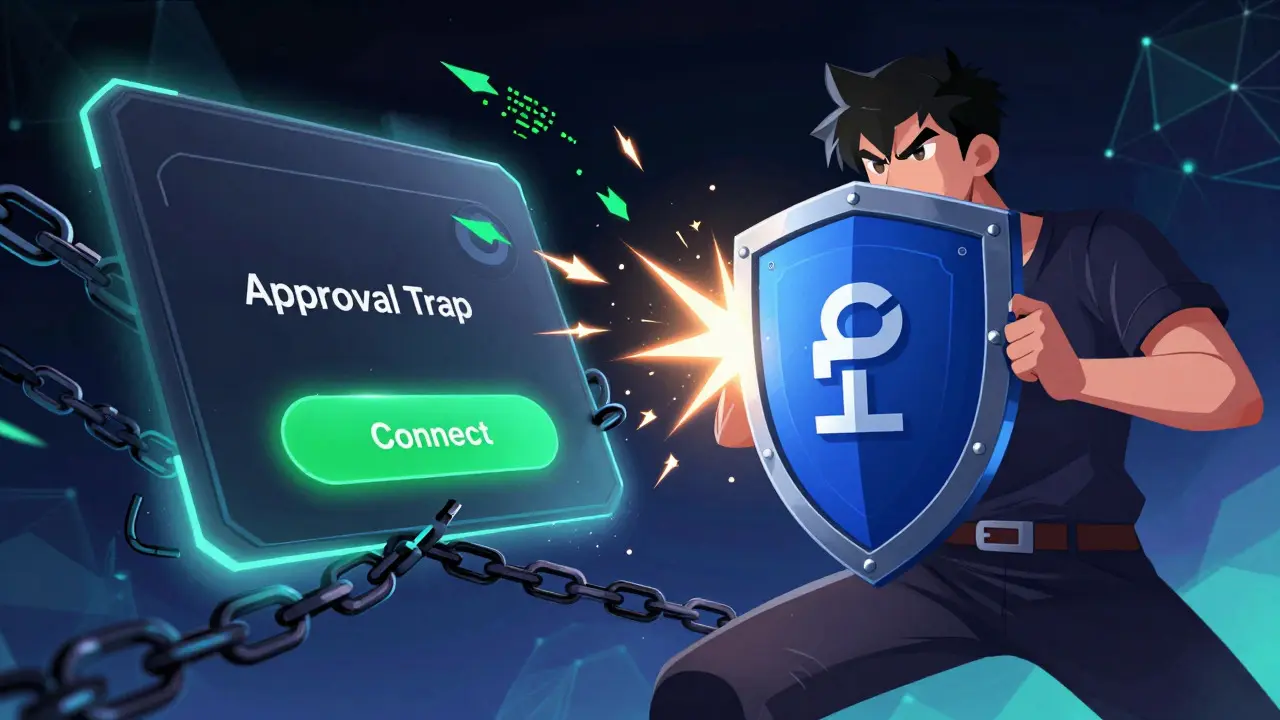
- The Connection Request: To claim your reward, you are asked to connect your Web3 wallet (like MetaMask, Trust Wallet, or Phantom). At this stage, nothing is stolen yet. You just feel relieved that it was easy.
- The Approval Transaction: This is where the damage happens. The site asks you to sign a transaction to "claim" the tokens. In reality, you are signing an
approvefunction. This gives the smart contract unlimited permission to spend the tokens already in your wallet. - The Drain: Once approved, the bot instantly swaps your valuable assets (ETH, SOL, or USDT) for worthless junk tokens or drains them entirely. You are left holding a bag of tokens with zero liquidity, while the scammers vanish.
In mid-2025 and continuing into 2026, we saw a surge in these "approval-based" drainers. They don’t even ask for a gas fee upfront anymore; they trick you into paying the gas fee yourself to authorize the theft. It’s cruel, effective, and devastating for beginners.
Red Flags That Signal a Fake Airdrop
Not every new project is a scam, but 1DOGE Finance checks almost every box for fraud. Before you interact with any crypto offer, run it through this mental checklist. If you answer yes to more than one of these questions, close the tab immediately.
- Is the team anonymous? Legitimate DeFi protocols publish their team members’ LinkedIn profiles and GitHub contributions. 1DOGE Finance has no verifiable founders.
- Is the website newly registered? Use tools like Whois lookup. If the domain was created three weeks ago but claims to have been operating for two years, it’s a lie.
- Are they asking for private keys or seed phrases? No legitimate service will ever ask for your 12 or 24-word recovery phrase. If a pop-up asks for this, it’s instant game over.
- Is the token contract unaudited? Check Etherscan or Solscan. Look for audit badges. If the code is obfuscated or the contract owner can mint infinite tokens, you’re at risk.
- Does it promise guaranteed high returns? Crypto is volatile. Anyone promising fixed, high daily yields without explaining the underlying revenue model is running a Ponzi scheme.
Another subtle sign is the language used. Scammers often use broken English or overly aggressive marketing tactics like "LAST CHANCE" or "ACT NOW." They create artificial urgency to bypass your logical thinking. Real projects build trust over time; scams rush you into action.
Legitimate Alternatives and Community Projects
If you love Dogecoin and want to participate in its ecosystem safely, there are legitimate ways to do so. While the core DOGE coin doesn’t do airdrops, the broader community has spawned several verified projects that operate transparently.
| Feature | Legitimate Projects (e.g., SuperDoge) | Fake Projects (e.g., 1DOGE Finance) |
|---|---|---|
| Team Transparency | Public identities, active social media presence | Anonymous, copy-pasted bios |
| Contract Audit | Audited by reputable firms (CertiK, Hacken) | No audit or fake audit certificates |
| Token Distribution | Clear roadmap, fair launch mechanisms | Hidden allocations, ability to rug pull |
| Community Feedback | Mixed reviews, realistic expectations | Only positive bots, suppressed negative comments |
| Website Age | Established domains (years old) | Newly registered domains (days/weeks old) |
For example, SuperDoge (SDOGE) launched with a clear utility focus on payments and gaming, conducting airdrops to long-term DOGE holders after thorough audits. Another example is the Doge2014 initiative, which focused on educational staking rewards rather than get-rich-quick schemes. These projects have whitepapers, active developer channels on Discord, and a history of delivering updates. Contrast this with 1DOGE Finance, which appears out of nowhere, offers vague promises, and disappears when questioned.
How to Secure Your Wallet Against Phishing
Prevention is better than cure. Even if you accidentally clicked a suspicious link, you can still protect yourself if you act fast. Here are practical steps to harden your security setup in 2026.
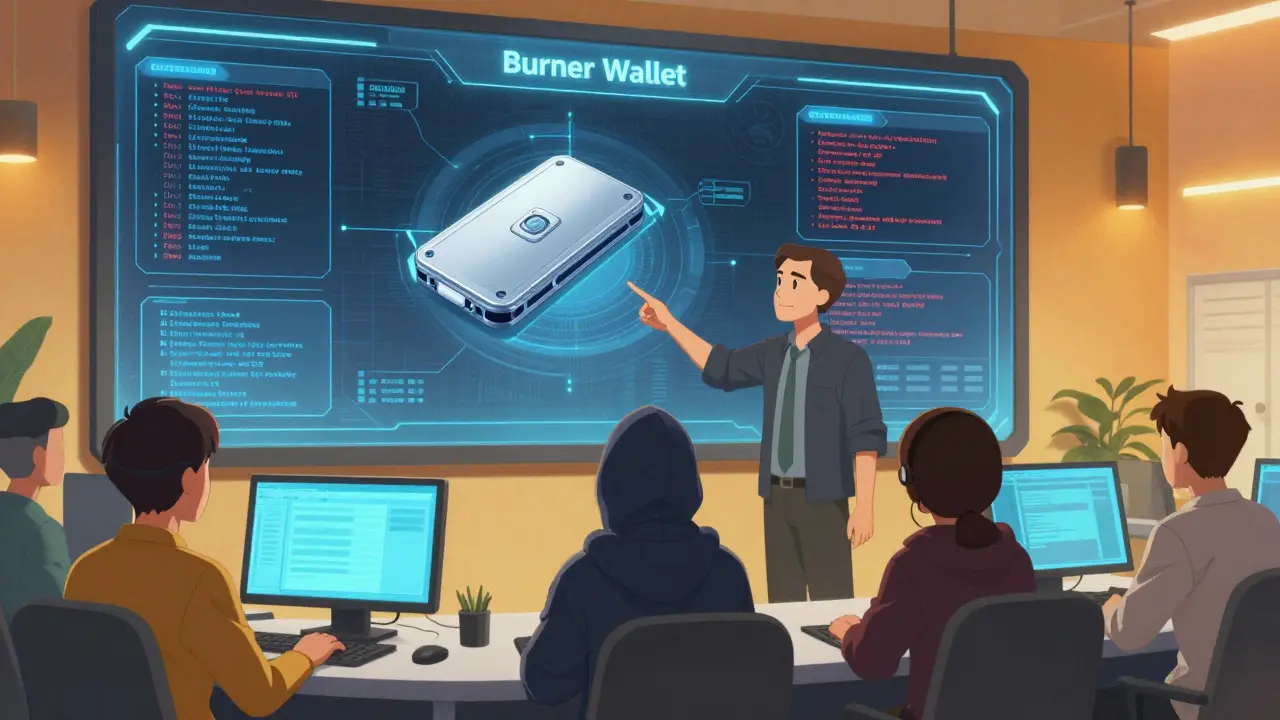
Use a Burner Wallet. Never connect your main wallet-the one holding your life savings-to random dApps or airdrop sites. Create a separate "burner" wallet with only a small amount of funds. Use this wallet for interacting with new or unverified platforms. If it gets drained, the loss is minimal.
Revoke Permissions Regularly. Every time you approve a token spending limit, you leave a backdoor open. Use services like Revoke.cash or the built-in revocation tools in MetaMask and Trust Wallet. Check your approvals weekly. If you see an approval for a project you don’t recognize or no longer use, revoke it immediately. This cuts off the thief’s access even if they have your address.
Verify URLs Manually. Don’t click links from DMs or comments. Type the official website address manually into your browser. Bookmark official sites. Scammers often buy domains that look similar to real ones, swapping letters (e.g., 'l' for '1'). Double-check every character.
Enable Hardware Security. For significant holdings, use a hardware wallet like Ledger or Trezor. These devices require physical confirmation for transactions. Even if your computer is infected with malware, the attacker cannot move your funds without pressing the buttons on the device itself.
What to Do If You’ve Already Connected
Panic is your enemy. If you connected your wallet to 1DOGE Finance or a similar site, follow these steps immediately:
- Stop all interactions. Do not send any more transactions. Do not try to "fix" it by sending more crypto to a supposed support agent.
- Check your balances. Look closely at your token list. Sometimes scammers hide their tokens. Expand your view to show all tokens. If you see strange, low-value tokens, those might be the result of a swap.
- Revoke approvals. Go to Revoke.cash, connect your wallet, and look for any pending approvals linked to unknown contracts. Revoke them all. This prevents future draining.
- Move remaining funds. If your major assets (ETH, BTC, USDC) are still there, transfer them to a fresh, clean wallet immediately. Consider the old wallet compromised.
- Report the incident. File a report with the platform where you found the link (Twitter, Telegram) and consider reporting to local cybercrime authorities. While recovery is rare, it helps shut down the operation for others.
Remember, once crypto is moved to a mixer or exchanged across chains, it is nearly impossible to trace. Speed is critical.
Understanding the Psychology Behind Crypto Scams
Why do these scams work? It’s not because people are stupid; it’s because scammers exploit human psychology. They leverage FOMO (Fear Of Missing Out) and greed. In a market where prices can double overnight, the desire to catch the next big wave is strong. Scammers position themselves as insiders giving you a head start.
They also exploit authority bias. By using logos that resemble Binance, Coinbase, or the official Dogecoin foundation, they trick your brain into trusting the source. They might even pay fake reviewers to post five-star ratings on Trustpilot or CoinMarketCap alternatives. Always cross-reference information. If a project is huge, why haven’t you heard about it on major news outlets like Coindesk or Cointelegraph?
Furthermore, the complexity of blockchain technology acts as a shield for scammers. Most users don’t understand what a smart contract interaction looks like. They see a green "Confirm" button and assume it’s safe. Education is your best defense. Take ten minutes to learn what an "allowance" or "approval" transaction is. It could save you thousands.
The Future of Dogecoin Safety
As we move further into 2026, the landscape of crypto security is evolving. Block explorers are adding better scam detection algorithms. Wallet providers are implementing stricter warnings for high-risk contract interactions. However, the cat-and-mouse game continues. Scammers adapt quickly, using AI to generate convincing phishing pages and deepfake videos of celebrities endorsing fake coins.
The Dogecoin community remains vigilant. The official Dogecoin Foundation and core developers regularly issue alerts about impersonators. Following their official Twitter and Discord channels is one of the best ways to stay informed. They rarely announce partnerships or new products without widespread, verified communication.
Ultimately, skepticism is a virtue in crypto. If an opportunity seems too good to be true, it almost certainly is. The 1DOGE Finance saga is just one of many examples in a long line of attempts to cash in on Dogecoin’s popularity. Stay skeptical, verify everything, and keep your keys private. Your financial freedom depends on it.
Is 1DOGE Finance a legitimate project?
No, 1DOGE Finance is widely considered a scam. There is no official connection to the Dogecoin development team, and the project lacks transparency, audits, and a verifiable team. It follows the common pattern of phishing sites designed to steal funds from users who connect their wallets.
Will Dogecoin ever have an official airdrop?
It is highly unlikely. The Dogecoin core developers have consistently stated that there will never be an official DOGE airdrop. Dogecoin is mined, not distributed via centralized events. Any claim of an official airdrop should be treated as fraudulent until proven otherwise by direct communication from the official Dogecoin Foundation.
How can I tell if a crypto airdrop is fake?
Look for red flags such as anonymous teams, unaudited smart contracts, newly registered domains, and promises of guaranteed high returns. Also, check if the project requires you to send money first or approve unlimited token spending. Legitimate projects are transparent and rarely require upfront payments for simple airdrops.
What should I do if I connected my wallet to a scam site?
Immediately stop all interactions. Use a tool like Revoke.cash to revoke any token approvals granted to the scam contract. Then, transfer any remaining valuable assets to a new, secure wallet. Consider the compromised wallet unsafe for future use.
Are there any safe Dogecoin-related projects?
Yes, but you must verify them carefully. Projects like SuperDoge have operated with greater transparency and audits. Always check for public team members, third-party security audits, and established community presence before engaging. Avoid any project that mimics the name "Dogecoin" without clear differentiation and verification.
Does connecting my wallet automatically steal my money?
Connecting your wallet alone does not steal your money. However, signing a transaction that grants "unlimited approval" to a malicious smart contract allows the scammer to drain your tokens later. Always review what you are signing and use burner wallets for untrusted sites.
How do scammers find my wallet address?
Scammers scrape public blockchains for addresses that hold significant amounts of crypto or interact with popular DeFi protocols. They then target these addresses with personalized phishing emails, fake airdrop notifications, or sponsored ads on social media.
Can I recover funds lost to a 1DOGE Finance scam?
Recovery is extremely difficult and rare. Since blockchain transactions are irreversible, once funds are moved to a scammer's wallet, they are gone. Reporting to authorities may help shut down the operation, but individual fund recovery is not guaranteed. Prevention is the only reliable strategy.