You’ve probably seen the ads. They promise easy entry into the crypto market, high returns, and a platform called New Capital. But before you transfer even a single dollar, stop. The reality behind this name is murky at best and dangerous at worst. In our deep dive for July 2026, we found that "New Capital" as a dedicated cryptocurrency exchange doesn’t appear on any legitimate regulatory radar. Instead, the name is most frequently associated with New Capital Lenders, a financial entity that has raised serious red flags among consumer protection agencies and financial experts.
If you are looking for a place to trade Bitcoin or Ethereum, you need to know exactly who you are dealing with. This review breaks down the risks associated with the New Capital brand and points you toward safer, regulated alternatives like Bullish.
The Identity Crisis: Who Is New Capital?
When you search for "New Capital crypto exchange," you hit a wall of silence from regulators. There is no verifiable record of a major, licensed cryptocurrency exchange operating under this exact name in the United States, Canada, or the European Union. This absence is not a minor oversight; it is a massive warning sign.
Most of the noise surrounding this name comes from New Capital Lenders. While they position themselves as a financial services company, their operations often blur the lines between traditional lending and unregulated crypto-adjacent services. Financial analysts have flagged this entity for lacking transparency. If a company cannot clearly state its license number or provide verifiable contact information for its leadership team, why would you trust them with your life savings?
- No Regulatory Oversight: New Capital Lenders lacks registration with Level 1, Level 2, or Level 3 financial regulators.
- Offshore Ambiguity: Registration details are either missing or point to offshore jurisdictions known for lax enforcement.
- Hidden Management: Legitimate firms publish bios of their CEOs and compliance officers. New Capital keeps its leadership anonymous.
In the world of finance, anonymity is rarely a feature; it’s usually a bug-or worse, a trap.
Red Flags: Why Experts Are Sounding the Alarm
Financial experts don’t just guess when they label a platform "high-risk." They look for specific patterns. New Capital exhibits several classic indicators of a potentially fraudulent or highly unstable operation. As of June 2025, multiple safety audits recommended completely disregarding companies with this profile.
One of the biggest concerns is the Better Business Bureau (BBB) complaints. Consumers have reported deceptive loan terms and misleading fee structures. When you combine these complaints with a lack of regulatory licensing, the risk profile spikes. You aren’t just risking market volatility; you’re risking the platform itself disappearing with your funds.
Consider this scenario: You deposit $5,000 into an unverified platform. A month later, customer support goes silent. Your dashboard shows a profit, but when you click "withdraw," the button is grayed out. This is a common tactic used by scam platforms to lure users in before locking them out. Without a regulator to appeal to, your money is likely gone forever.
Regulatory Compliance: The Gold Standard
To understand what makes New Capital suspicious, you have to look at what makes a crypto exchange legitimate. In 2026, the bar for legitimacy is higher than ever. Regulators in North America and Europe are cracking down on unlicensed operators.
A legitimate exchange must hold proper licenses. For example, in the United States, platforms need Money Transmitter Licenses (MTLs) in each state they operate. In New York, the gold standard is the BitLicense issued by the Department of Financial Services (NYDFS). These licenses require rigorous audits, capital reserves, and strict security protocols.
New Capital fails this basic test. There is no public record of them holding a BitLicense or MTLs. This means if something goes wrong, there is no government body responsible for protecting your assets. You are essentially gambling on the honesty of an anonymous operator.
| Feature | New Capital / New Capital Lenders | Legitimate Exchange (e.g., Bullish) |
|---|---|---|
| Regulatory Status | Unverified / Offshore | BitLicense & State MTLs |
| Management Transparency | Anonymous / Unreliable | Public Profiles & Background Checks |
| Consumer Complaints | Multiple BBB Complaints | Monitored by Regulators |
| Fund Security | Unclear / High Risk | Cold Storage & Insurance |
| Trading Volume | Not Publicly Verified | $1.5 Trillion+ (Historical) |
A Safer Alternative: The Case for Bullish
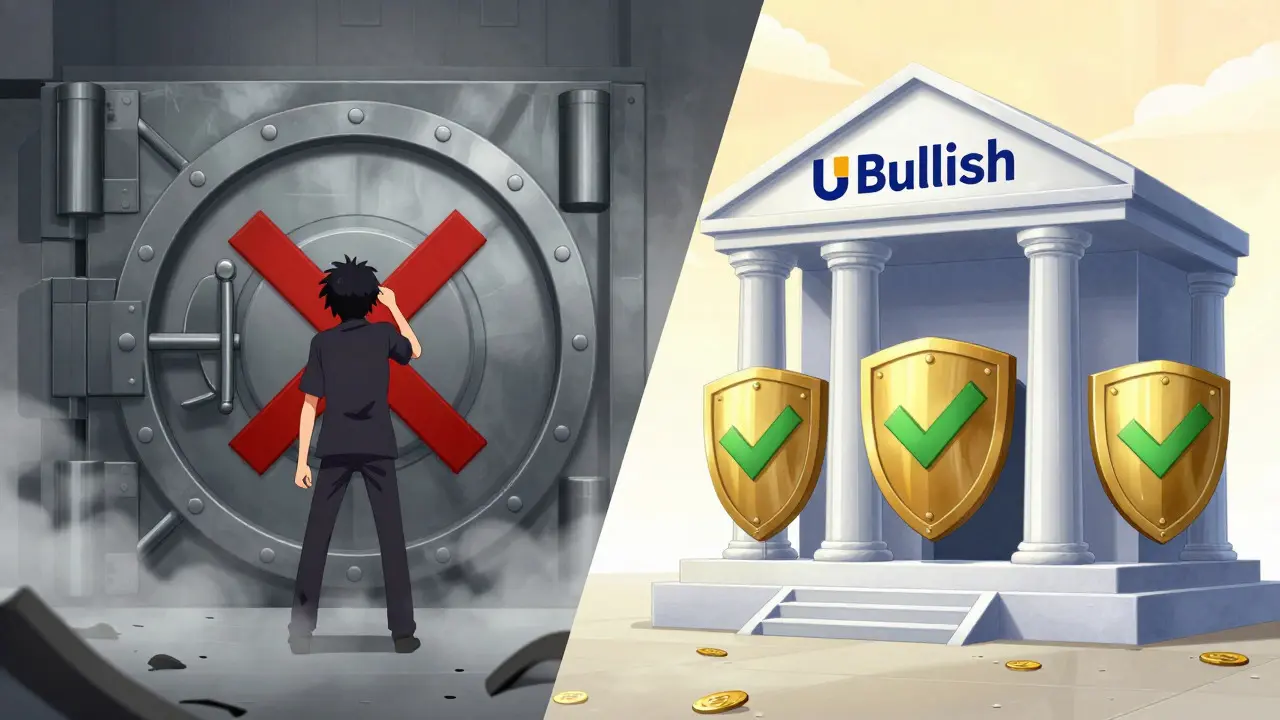
If you want to trade crypto without sleeping with one eye open, you need a platform that plays by the rules. Enter Bullish. Unlike the shadowy operations of New Capital, Bullish has built its reputation on transparency and regulatory compliance.
Bullish holds the prestigious BitLicense from New York’s Department of Financial Services. This isn’t just a badge; it’s a guarantee that the platform undergoes regular scrutiny. They also hold money transmission licenses across 20 US states, including heavyweights like California, Florida, and New York. This broad licensing allows them to serve millions of users legally and safely.
Since 2021, Bullish has facilitated over $1.5 trillion in trading volume internationally. That scale brings institutional-grade security. They use cold storage for the majority of user funds, meaning your crypto is kept offline and away from hackers. Plus, they offer insurance coverage for digital assets, providing a safety net that New Capital simply doesn’t have.
For Canadian users like those in Halifax, finding a platform that understands local regulations is crucial. While Bullish is US-centric, its adherence to international standards makes it a benchmark for what a safe exchange looks like. Always check if your chosen platform supports your specific jurisdiction.
How to Spot a Crypto Scam in 2026
The tactics scammers use evolve, but the core psychology remains the same. They prey on greed and fear of missing out (FOMO). Here is how to protect yourself from falling for the next "New Capital" clone.
- Check the Regulator: Go directly to the website of the NYDFS, SEC, or your country’s financial authority. Search for the exchange’s name. If they aren’t listed, assume they are unregulated.
- Verify the Team: Look up the CEO and founders on LinkedIn. Do they have real careers? Or are their profiles blank? Real people have real histories.
- Read the Fine Print: Scams often hide in the withdrawal fees or minimum deposit requirements. If the terms are confusing, walk away.
- Use Scam Trackers: Resources like California’s Department of Financial Protection and Innovation maintain a Crypto Scam Tracker. It documents fraudulent platforms and investment schemes. Check here before you invest.
Remember, if a platform promises guaranteed high returns with zero risk, it is a lie. Crypto is volatile. No one can guarantee profits.

What To Do If You’ve Already Invested
If you’ve already sent money to New Capital or a similar unverified platform, time is of the essence. Don’t wait for the problem to get worse. Here are immediate steps to take:
- Document Everything: Save screenshots of your deposits, transaction IDs, emails, and chat logs. Evidence is key for any recovery effort.
- Contact Your Bank: If you transferred via bank wire or credit card, call them immediately. Dispute the charge as fraud. Banks sometimes reverse transactions if acted upon quickly.
- File a Complaint: Report the entity to the Better Business Bureau, the Federal Trade Commission (FTC), or your local consumer protection agency. This helps build a case against them and may aid other victims.
- Consult Legal Aid: For significant losses, consider speaking with a lawyer who specializes in financial fraud. They can advise on whether a class-action lawsuit is viable.
Recovery is never guaranteed, but acting fast increases your chances. Ignoring the problem will only make it harder to get your money back.
The Future of Crypto Regulation
As we move through 2026, the era of the "wild west" in crypto is ending. Governments are implementing stricter KYC (Know Your Customer) and AML (Anti-Money Laundering) laws. Platforms that refuse to comply are being shut down or blacklisted.
This shift favors legitimate players. Exchanges like Bullish are thriving because they embraced regulation early. They offer peace of mind. Unregulated entities like New Capital are becoming increasingly risky as banks cut off their payment processors and regulators issue warnings.
For the average investor, this means doing your homework is more important than ever. Don’t just trust the ad. Trust the license. Trust the track record. Trust the transparency.
Is New Capital a legitimate crypto exchange?
There is no verifiable evidence that "New Capital" operates as a legitimate, regulated cryptocurrency exchange. The name is primarily associated with New Capital Lenders, which lacks regulatory oversight and has faced consumer complaints. Experts advise caution and recommend avoiding unverified platforms.
What is the difference between New Capital and Bullish?
Bullish is a fully regulated exchange holding a BitLicense and state money transmission licenses, with transparent management and insured assets. New Capital lacks these regulatory credentials, has anonymous leadership, and has been flagged for potential deceptive practices.
How can I verify if a crypto exchange is safe?
Check for licenses from recognized bodies like the NYDFS or SEC. Verify the identity of the management team. Look for independent reviews and complaints on sites like the BBB. Ensure the platform uses secure custody solutions like cold storage.
What should I do if I lost money to New Capital?
Immediately document all transactions, contact your bank to dispute charges, and file complaints with the FTC and BBB. Consider consulting a legal professional specializing in financial fraud for further recovery options.
Are there any safe crypto exchanges for beginners in 2026?
Yes, platforms like Bullish, Coinbase, and Kraken are considered safe due to their strong regulatory compliance, transparent operations, and robust security measures. Always choose exchanges that are licensed in your jurisdiction.