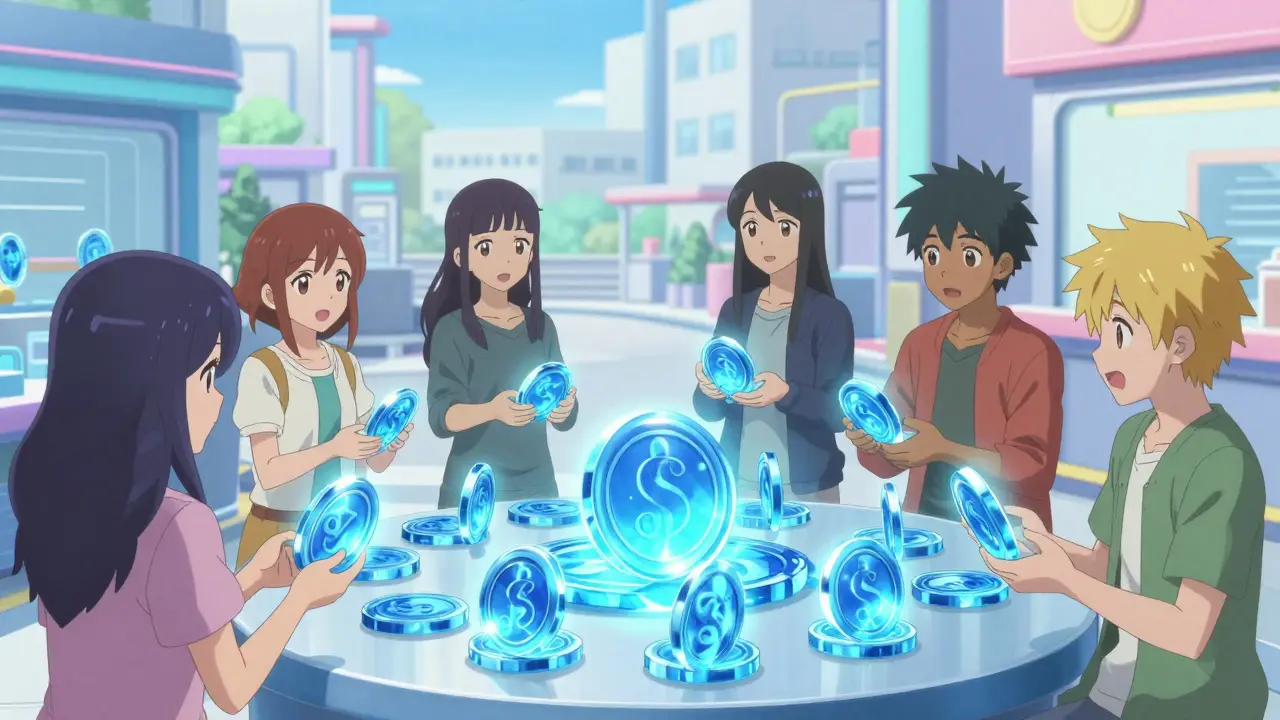
You've probably noticed that the world of web3 is no longer just about trading Bitcoin. Now, creators, athletes, and brands are launching their own digital assets to connect with fans. But when you start digging into the tools, you'll see two heavy hitters: Social Tokens is a fungible digital asset that represents access to experiences, communities, or relationships with creators and NFTs is non-fungible tokens that represent ownership of unique, indivisible digital assets like art or collectibles . While they both live on the blockchain, using the wrong one for your project is like using a hammer when you actually need a screwdriver.
The Core Difference: Fungibility vs Uniqueness
The biggest divide between these two comes down to a concept called fungibility. In plain English, if something is fungible, it's interchangeable. Think of a ten-dollar bill; if you swap yours for mine, we both still have ten dollars. This is exactly how Social Tokens work. Each token is identical to every other token of the same type. If you hold 100 tokens of a specific creator, those tokens have a clear exchange rate and can be traded 1:1.
Now, imagine a signed first-edition book. You can't just swap it for any other copy of the same book because the signature and the condition make it unique. That's an NFT. Built primarily on the Ethereum blockchain using the ERC-721 standard, each NFT has its own distinct blockchain address. You can't split an NFT into smaller pieces without specialized tools, and its value is entirely subjective based on rarity and desire.
| Feature | Social Tokens | NFTs (Non-Fungible Tokens) |
|---|---|---|
| Nature | Fungible (Interchangeable) | Non-Fungible (Unique) |
| Primary Value | Access and Community | Ownership and Scarcity |
| Technical Standard | Standard Fungible Frameworks | ERC-721 / ERC-1155 |
| Price Discovery | Market Exchange Rate | Subjective / Auction-based |
| Scalability | High (Batch transfers) | Lower (Individual management) |
When to Use Social Tokens for Community Growth
If your goal is to build a loyal crowd and reward them for sticking around, social tokens are your best bet. They act more like a membership card or a loyalty program than a piece of art. There are generally three ways these are deployed:
- Personal Tokens: Individual creators, like musicians or influencers, issue these to give fans perks. For example, the artist Sting launched a token that allows fans to support his work in exchange for exclusive content.
- Community Tokens: These are for collectives. They often grant governance rights, meaning holders can vote on how a project evolves through a DAO (Decentralized Autonomous Organization).
- Platform Tokens: These encourage people to stay active within a specific ecosystem or app.
A great real-world example is the Shiba Inu community. They used tokens to grant access to private Telegram groups. The beauty here is the liquidity: if a member decides to leave the group, they can simply sell their token to someone else who wants in. This creates a fluid economy around access.
The Power of NFTs for Exclusivity and Art
While social tokens are about "getting in the room," NFTs are about "owning the room." You should lean toward NFTs when the value comes from the fact that there is only one (or a very limited few) of something. This makes them perfect for digital art, virtual real estate in the metaverse, or high-value collectibles.
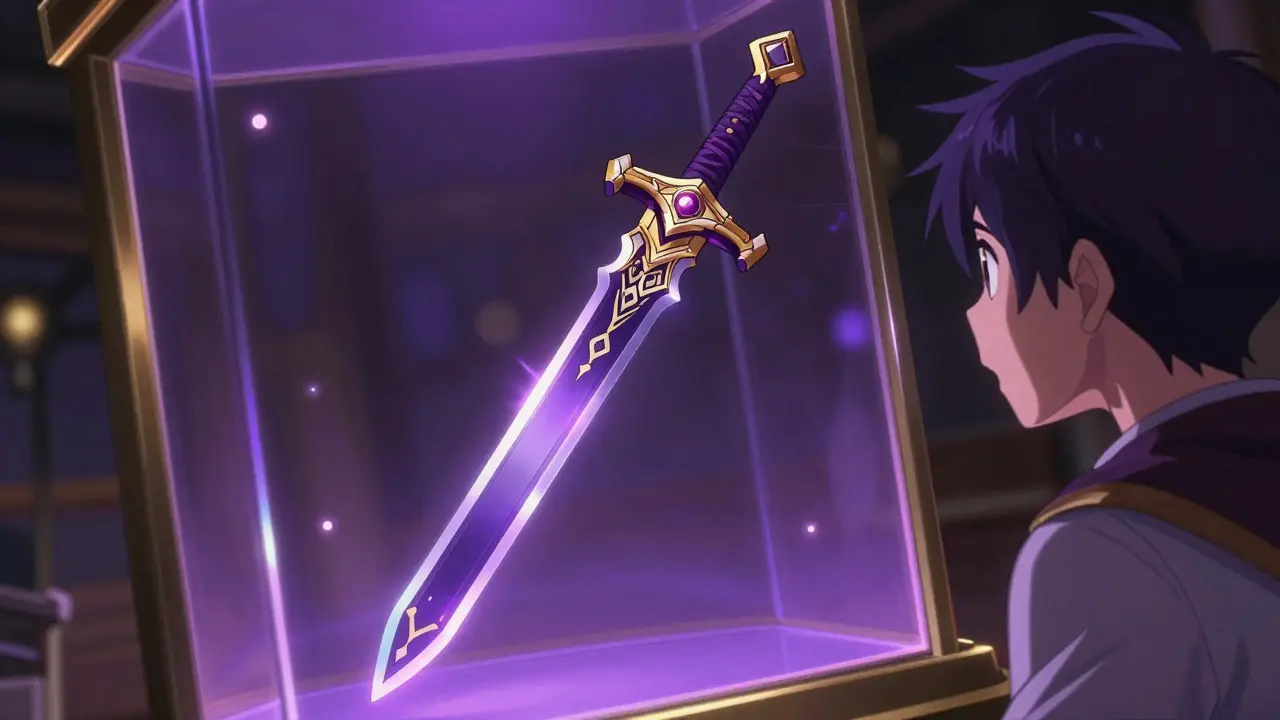
The valuation of an NFT is far more volatile and subjective than a social token. An NFT might sell for millions of dollars not because it provides a service, but because of its cultural significance or the prestige of owning a specific piece by a famous artist. If you are a gamer and you find a legendary sword with stats that no other player has, that's an NFT use case. You aren't looking for an exchange rate; you're looking for an asset that proves you own something rare.
Technical Trade-offs: Cost and Complexity
From a developer's perspective, social tokens are generally easier to roll out. Because they are fungible, they can be handled in batches. This makes transaction costs lower and scaling much simpler. You don't need to manage unique metadata for every single token you issue.
NFTs, however, require a more complex setup. You have to handle metadata-the data that tells the blockchain what the image or file actually is-and ensure it's stored securely. This often involves custom smart contract development to add unique features, which increases the cost of deployment and the gas fees associated with minting each individual piece.
The Hybrid Approach: Combining Access and Ownership
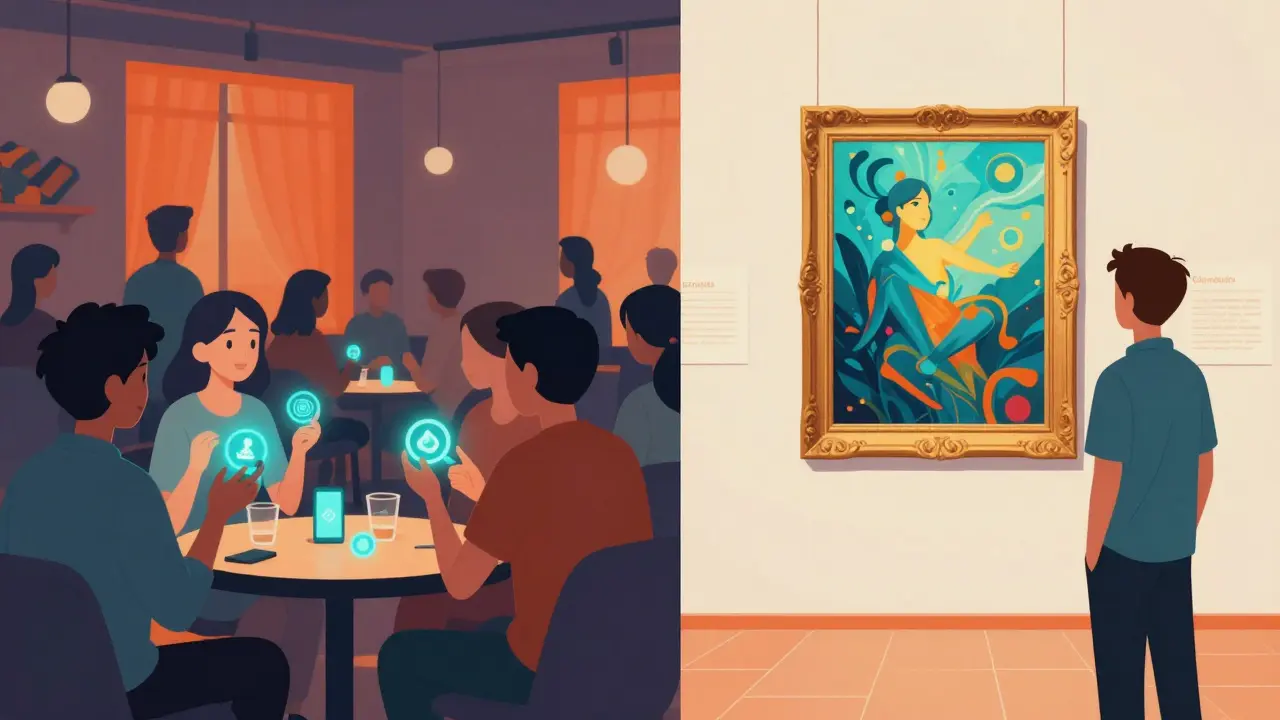
Why choose one when you can use both? Many savvy creators are now blending these models to maximize their reach. Imagine a digital artist who sells a high-priced NFT of a painting (Ownership) but also issues a social token that grants the holder access to a monthly private livestream where the artist explains their process (Access).
This hybrid strategy solves a common problem: NFTs can be too expensive for the average fan to enter, while social tokens might lack the "prestige" that high-net-worth collectors crave. By offering both, a creator can build a broad, engaged community while still maintaining a high-end market for their rarest works.
Pitfalls and Realities to Consider
It's not all sunshine and moon-shots. If you're thinking of launching a social token, be aware of the regulatory gray area. Because these tokens can sometimes look like securities (investments expecting a profit), they are often scrutinized by regulators. There's also a higher risk of scams in the social token space, where people pump up a token's value through hype and then disappear.
For NFT creators, the biggest risk is the "bubble" effect. Since value is subjective, an NFT can go from being worth 10 ETH to nearly zero overnight if the cultural trend shifts. Unlike social tokens, which have utility-based value (access), NFTs rely heavily on the perceived rarity and the strength of the brand.
Can I turn a social token into an NFT?
Technically, they are different standards. You can't "convert" a fungible token into a non-fungible one, but you can create a system where holding a certain amount of social tokens earns you a unique NFT as a reward. This is a common way to reward long-term loyalty.
Which is better for a small business?
For most small businesses, social tokens are more practical. They act as a digital version of a loyalty card or a subscription, making them easier for customers to understand and trade. NFTs are better if the business sells unique physical or digital products that need a certificate of authenticity.
Do social tokens have a fixed price?
No. While they have a clear 1:1 exchange rate (one token equals one token), the market price of that token fluctuates based on demand. If a creator becomes more popular, the price of their social token usually rises.
Are NFTs only for art?
Definitely not. While art is the most famous use case, NFTs are used for gaming assets, real estate deeds, event tickets, and even identity verification. Anything that needs to be unique and provable on a ledger can be an NFT.
Which one is more expensive to launch?
NFTs are typically more expensive to launch because of the need for individual metadata management and the higher gas costs associated with minting unique assets on the blockchain.
Alex Long
April 20, 2026 AT 20:20just another way to lose money lol
Andrew Southgate
April 22, 2026 AT 04:14I've spent a lot of time looking into the utility aspect of these assets and I honestly think the hybrid model mentioned is where the real magic happens for most creators. If you can provide a low barrier to entry with a social token for the general public and then create a high-tier "collector's circle" with NFTs, you're essentially building a scalable funnel that caters to both the casual fan and the whale. It's a bit like how some gaming companies do battle passes where everyone gets a base level of reward but only the top spenders get the super rare skins that hold their value over time, and when you apply that logic to a personal brand or a community, it creates a much more sustainable economic loop than just hoping a JPEG maintains its value through pure hype.
Nishant Goyal
April 22, 2026 AT 23:06The focus on accessibility here is spot on. Keeping things simple for the users is always the best way to scale.
Kim Smith
April 24, 2026 AT 16:08it is kinda wild how we just accept that everything needs to be tokenized now like why cant we just have a club membership without all the blockchain bloat and the gas fees and the constant fear of a rugpull that basically happens every other tuesday in this space anyway but i guess that's just the way the digital wind is blowing these days and maybe the philsophy of ownership is shifting into something way more abstract than we ever imagined when we were kids just trading physical stickers in the playground back in the day lol
Mark Pfeifer
April 25, 2026 AT 19:54The distinction regarding fungibility is handled well. Most people overlook the actual technical difference and just call everything an NFT because it's the buzzword of the decade.
nathan jones
April 26, 2026 AT 12:17Social tokens feel more sustainable for actual use.
Ian Chait
April 27, 2026 AT 02:45total scam setup if you ask me. the whole ERC-721 standard is just a fancy way for the globalists to track every single asset you own on a public ledger while the gas fees drain your wallet faster than a leak in a bucket. its all just central bank digital currency preprep in disguise and the so called "decentralization" is a total lie meant to trick the masses into giving up their real privacy for a digital picture of a monkey that wont even be worth a penny once the grid goes down
Saurav Bhattarai
April 27, 2026 AT 09:35Oh look, another "guide" telling people how to launch a token. I'm sure everyone is just waiting in line to lose their life savings on a "community token" that will crash in three days. Truly revolutionary stuff.
Shannon Kelly Smith
April 28, 2026 AT 22:59Love the breakdown! 🚀 This is exactly what new creators need to understand before jumping in. Knowledge is power! 💎
Chintu Parikh
April 29, 2026 AT 19:19I must express my sincere agreement with the notion of combining both assets. It creates a most harmonious balance between inclusivity and exclusivity, which is essential for any thriving community.
Sean Douglas
April 30, 2026 AT 10:21The absolute tragedy of it all! Imagine the heartbreak of watching your precious NFT plummet to zero because some trend shifted. It's a digital rollercoaster of agony and ecstasy that I simply cannot abide!
John and Lauren Busch
April 30, 2026 AT 19:34Right, because we all know NFTs are just a huge success story.
Mike Kempenich
May 2, 2026 AT 12:42Actually, if you look at the gaming sector, the utility of NFTs for items is pretty solid despite the market crashes. It's a valid point.
Gillian Kent
May 4, 2026 AT 06:17i think the part about small businessess is rly helpful. most of us dont need the fancy stuff, just a way to reward customrs.
nikki krinkin
May 5, 2026 AT 22:39It's interesting to see how different people view the risk here. Some see a tool and others see a trap.
Gaurav Undirwade
May 6, 2026 AT 22:04It is profoundly disappointing that the discourse here descends into such colloquial vulgarity. One must maintain a certain level of intellectual rigor when discussing the financial architecture of the future, regardless of the platform.
Vicky Duffala
May 7, 2026 AT 22:22Let's focus on the potential for growth! 🌟 Integrating these assets can turn a simple fan base into a real ecosystem. Just imagine the possibilities for collaborative art! ✨