
Buying a meme coin is like betting on a viral TikTok trend. One day it’s everywhere; the next, it’s forgotten. Fat Fella (FAT) is a speculative cryptocurrency token built on the Solana blockchain that blends meme culture with NFT engagement and community staking. Known for its "big guy" branding and pseudonymous leadership, FAT has seen massive price swings since its rise in 2025. If you are looking at this coin today, you aren't just buying a digital asset-you are buying into a narrative. But before you swap your SOL for FAT, you need to know exactly what you are getting into. The data is messy, the risks are high, and the utility is thin. Here is the reality of the FAT token right now.
The Core Identity: What Is Fat Fella?
Fat Fella isn't a complex decentralized finance protocol or a Layer-1 infrastructure project. It is a meme coin designed to foster community engagement through humor and social media branding. The project positions itself as a cultural movement rather than a technological innovation. Its primary goal is to build a loyal following around an "increase, not decrease" ethos, targeting international markets like Mexico to expand its reach.
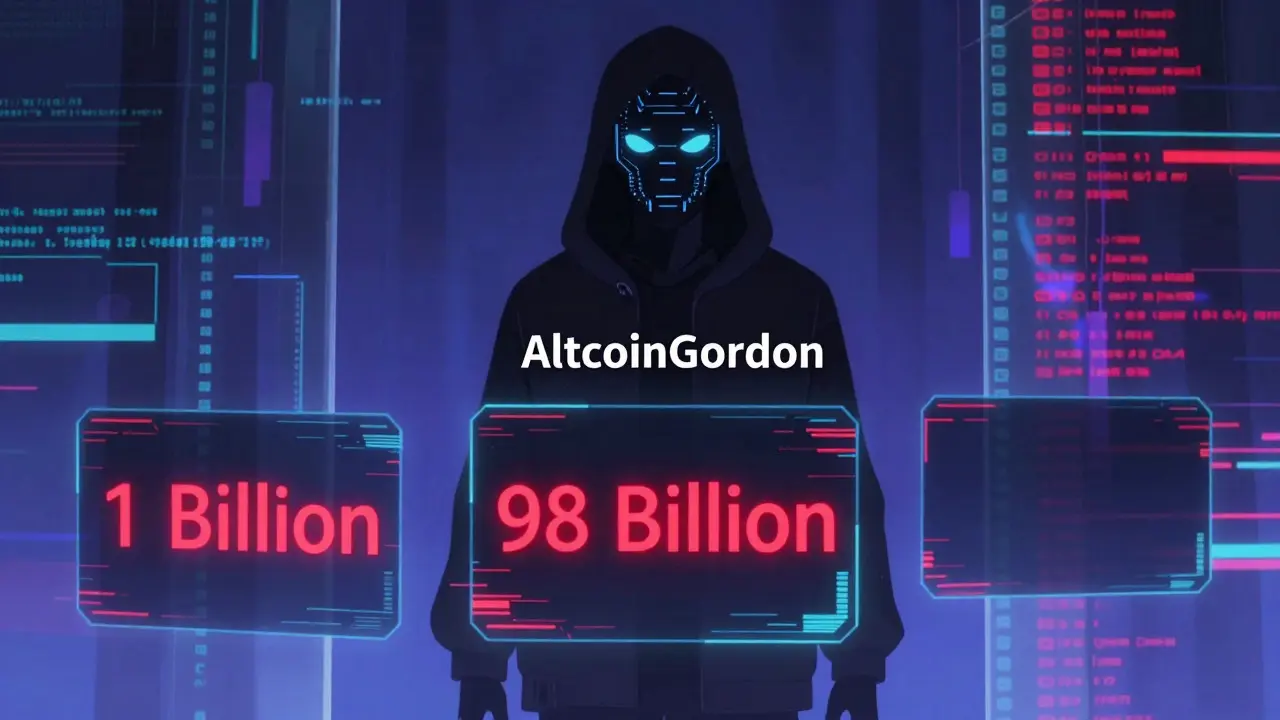
The face behind the project is a pseudonymous figure known as AltcoinGordon, the primary representative and brand ambassador for the Fat Fella ecosystem. There is no public company registration, no real-name founder, and no formal team biography available. This is standard for many meme tokens, but it means you have zero accountability if things go wrong. You are trusting a handle, not a CEO. The project claims to merge fungible tokens with non-fungible tokens (NFTs), allowing users to trade, stake, and interact with digital collectibles in a trustless environment. However, the technical documentation backing these claims is sparse at best.
Technical Specs: Blockchain and Supply Issues
Most reliable trackers classify FAT as a Solana SPL token, meaning it operates on the Solana blockchain using the standard fungible token format. This gives it access to Solana’s fast transaction speeds and low fees, which are crucial for meme coin trading. However, the data surrounding the token's supply is wildly inconsistent, which is a major red flag for any investor.
| Platform | Total Supply | Circulating Supply | Status |
|---|---|---|---|
| Coinlore / Bitget | ~999.9 Million | Varies (often listed as 0) | Inconsistent |
| Phantom Wallet | 98.43 Billion | 98.43 Billion | Outlier/Error? |
| Binance | Unknown | 0 | Data Missing |
Why does this matter? Because market cap is calculated by multiplying price by circulating supply. If one site says there are 1 billion tokens and another says 98 billion, the value of the entire project changes by a factor of 100. CoinCheckup reports a total supply of roughly 999.91 million FAT, treating it as 100% in circulation. In contrast, the Phantom wallet lists a supply of nearly 98.43 billion. This discrepancy suggests either a severe data error, a mis-mapped token contract, or a lack of transparency from the developers. When you can't verify how many tokens exist, you can't accurately assess the project's value.
Price History and Volatility
If you think regular stocks are volatile, wait until you see FAT. This is a micro-cap asset, meaning it has a small market capitalization and low liquidity. Between early 2025 and mid-2026, the price has swung from highs of over $0.02 to lows below $0.001. That is a drop of more than 90% from its peak.
According to historical data, the all-time high (ATH) was recorded around April 2025, with prices hitting between $0.02 and $0.025 depending on the exchange. By September 2025, the price had crashed to an all-time low (ATL) of approximately $0.0014. As of mid-2026, the price hovers in the sub-cent range, often fluctuating between $0.0001 and $0.0007. These numbers look small, but in crypto terms, they represent massive percentage gains and losses in single days. A 10% daily move is common. A 50% crash in a week is possible. This is pure speculation, driven by social media hype rather than fundamental growth.
Liquidity and Where to Trade
You can find FAT on several centralized exchanges (CEXs) and decentralized exchanges (DEXs). Major platforms like HTX, Bitget, and Binance have listed the token, though their data quality varies. On DEXs, the most active venue is Raydium, a popular Solana-based exchange. Other venues include Meteora and Orca.
However, liquidity is shallow. While some platforms report daily trading volumes in the hundreds of thousands of dollars, others show near-zero volume. This inconsistency makes it hard to enter or exit large positions without significant slippage-meaning the price moves against you while you are trying to trade. If you buy a large amount of FAT, you might find it difficult to sell it quickly without crashing the price further. Always check the order book depth before placing a trade.
Risk Assessment: Is It a Scam?
Let’s be blunt: FAT carries a high risk profile. Community reviewers and analysts often assign a probability score to such projects. One prominent YouTube analysis estimated a 30% chance that FAT is a scam and a 70% chance it is a legitimate, albeit risky, project. That 30% figure is huge in the world of finance. For context, blue-chip cryptocurrencies have near-zero scam risk because they are backed by audited code and transparent teams.
The risks here are threefold:
- Data Opacity: Conflicting supply numbers and missing whitepapers make it impossible to verify the project's health.
- Pseudonymity: With no real-name founders, there is no legal recourse if the team decides to dump their tokens.
- Market Cap Instability: Micro-cap coins can be manipulated easily by "whales" (large holders) who buy up supply and drive the price up, only to sell when retail investors jump in.
There are no academic studies, institutional research reports, or regulatory filings supporting FAT. It exists purely in the realm of retail speculation. If you invest, assume you could lose 100% of your money. Treat it like entertainment spending, not savings.
Utility and Future Outlook
Does FAT do anything besides sit in your wallet? The project claims to offer staking rewards and governance rights, implying that holders can vote on future decisions. However, there are no details on voting thresholds, lock-up periods, or actual proposals. The NFT component is also vague, with mentions of "international expansion" and "community engagement" but no concrete roadmap or product launches.
The future of FAT depends entirely on social media momentum. If the "big guy" culture narrative catches fire again, the price could spike. If attention shifts to a new meme coin, FAT could fade into obscurity. There are no technical upgrades or enterprise partnerships announced. The project relies on the "increase, not decrease" slogan to keep holders optimistic. Without tangible utility or revenue streams, long-term value accumulation is unlikely.
Is Fat Fella (FAT) a good investment in 2026?
FAT is a high-risk, speculative asset. It is not suitable for conservative investors. Given its extreme volatility, conflicting supply data, and lack of fundamental utility, it should only be considered for those willing to lose their entire investment in pursuit of short-term gains.
Which blockchain is Fat Fella on?
Fat Fella is primarily identified as a token on the Solana blockchain. It uses the SPL token standard, allowing it to be traded on Solana-compatible wallets like Phantom and decentralized exchanges like Raydium.
Who created Fat Fella?
The project is led by a pseudonymous figure known as "AltcoinGordon." There is no publicly disclosed real-name founder or corporate entity associated with the token.
Why is the supply of FAT different on different websites?
Data inconsistencies are common with micro-cap tokens. Some platforms may list outdated information, mis-mapped contracts, or unverified supply figures. This lack of standardized data is a key risk factor for FAT investors.
Can I stake FAT tokens?
The project claims to offer staking opportunities, but specific details regarding annual percentage rates (APR), lock-up periods, and platform availability are not clearly documented. Verify current staking options directly on supported exchanges or dApps.