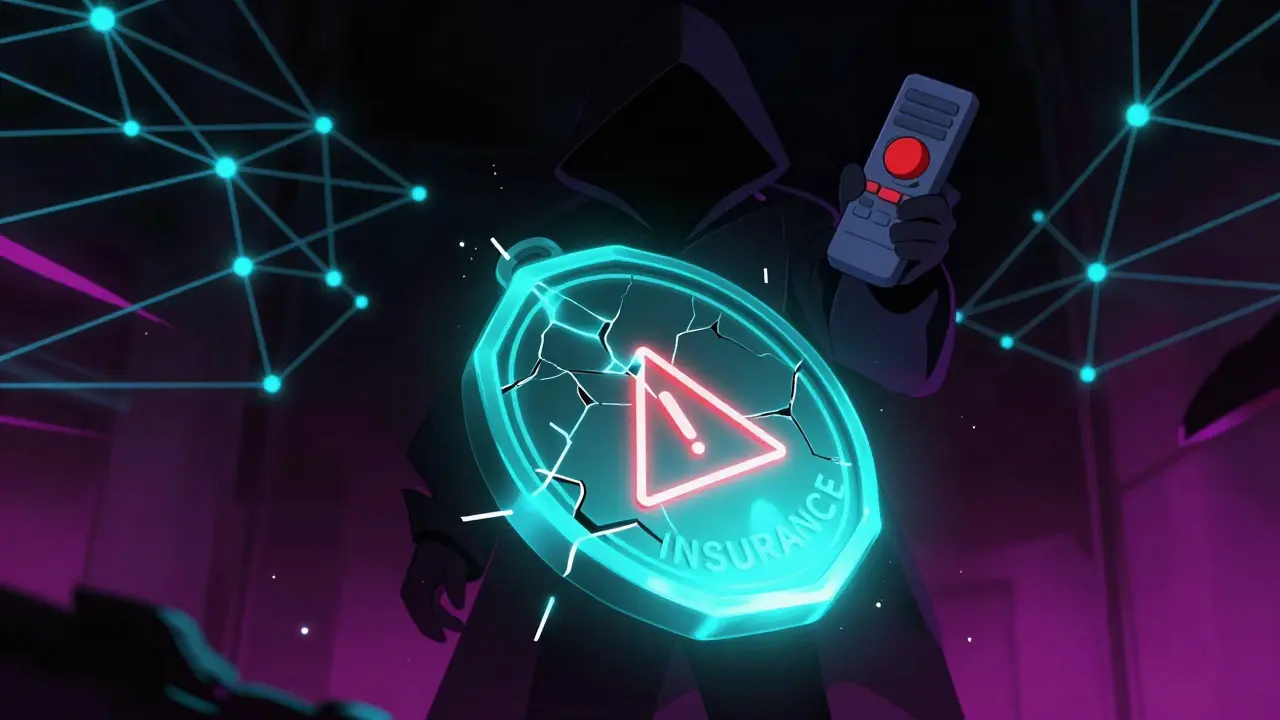
You’ve probably seen the name INSURANCE pop up on a tracker or in a chat group. The ticker is catchy. The concept-insuring assets on the blockchain-is something the industry has been promising for years. But when you look at the actual token trading under that name, the picture gets complicated fast. It’s not a giant like Bitcoin or Ethereum. It’s a small-cap project living on the BNB Chain with some serious warning signs attached to its code.
If you are thinking about buying this token, you need to know exactly what you are holding. This isn’t just about price charts. It’s about whether the people who built it can change the rules while you hold the bag. Let’s break down what the INSURANCE token actually is, where it trades, and why the smart contract details should keep you awake at night.
The Basics: What Is the INSURANCE Token?
At its core, the INSURANCE token is a cryptocurrency asset operating within the BNB Chain ecosystem. It uses the ticker symbol INSURANCE. As of early 2026, it sits outside the top tier of cryptocurrencies, ranking around 14,000+ by market capitalization. That puts it firmly in the "micro-cap" or "meme-adjacent" territory rather than established infrastructure.
Here are the hard numbers you need to know:
- Total Supply: 98,000,000 coins currently in circulation.
- Max Supply: Capped at 100,000,000 coins.
- Network: BNB Chain (formerly Binance Smart Chain).
- Contract Address: 0x64e4fea6e4f3637025c7bcd878e2b238b01f7d4e (Use this to import into MetaMask).
- Fully Diluted Valuation (FDV): Calculated based on the max supply, representing the theoretical value if all tokens were active.
It lives on the BNB Chain because that network offers low transaction fees and fast confirmation times. For a speculative token, speed and cost matter less than liquidity, but they do help with day-to-day trading friction. You don’t need a specialized wallet; standard tools like MetaMask work fine once you add the correct BNB Chain network settings.
Price History and Volatility: A Rollercoaster Ride
If you look at the price chart for INSURANCE, you will see wild swings. This is typical for low-cap tokens, but the magnitude here is extreme. The token hit an all-time high of $78.72 back in July 2025. Just four months before that, in October 2024, it was trading near its all-time low of $2.16.
That is a massive jump. From bottom to top, the price increased by nearly 3,500%. Anyone who bought at the bottom looked like a genius. But anyone who bought near the top lost most of their money. As of mid-2026, the token trades in the $300-$320 range depending on the exchange data source. Wait-that seems high compared to the ATH? Actually, looking closer at recent data discrepancies, prices vary wildly between aggregators due to thin liquidity. Some sources show prices closer to $77 on specific pairs, while others report higher averages. This inconsistency itself is a red flag. It means there aren’t enough real buyers and sellers to set a single, clear market price.
In the last week leading up to May 2026, the token showed a 7.3% increase, slightly outperforming the broader crypto market which dipped slightly. However, with a 24-hour trading volume hovering between $60,000 and $170,000, the market is shallow. A single large sell order could crash the price significantly. This is not a stable investment vehicle. It is a high-risk speculative asset.
| Metric | Value / Detail |
|---|---|
| All-Time High | $78.72 (July 24, 2025) |
| All-Time Low | $2.16 (October 29, 2024) |
| Current Price Range | $77 - $320 (High variance across DEXs) |
| 24h Volume | $62k - $171k USD |
| Market Rank | #14,063+ |
Where Does INSURANCE Trade?
You won’t find this token on major centralized exchanges like Coinbase or Kraken. It trades almost exclusively on decentralized exchanges (DEXs) built on the BNB Chain. The primary venues are:
- ApeSwap: Hosts the INSURANCE/MGC pair. This pair accounts for over 5% of the daily volume. Prices here hover around $77.73.
- PancakeSwap v2: The largest venue. Multiple pairs exist, including one paired against CAKE. Prices here vary more widely, from $2.66 on thin pairs to $77.78 on deeper ones.
The bid-ask spreads on these platforms range from 0.6% to 0.7%. In professional trading terms, that’s acceptable. But remember, liquidity depth matters more than spread width. If you try to buy $10,000 worth of INSURANCE at once, you might slip the price significantly because there aren’t enough orders waiting on the other side. This makes it hard for institutions to enter and easy for whales to manipulate.

The Big Problem: Smart Contract Risks
This is the section that matters most. Most casual investors look at the price and ignore the code. With INSURANCE, ignoring the code is dangerous. Security audits and risk analysis tools like CoinStats have flagged several critical vulnerabilities in the token’s smart contract.
Let’s translate the technical jargon into plain English:
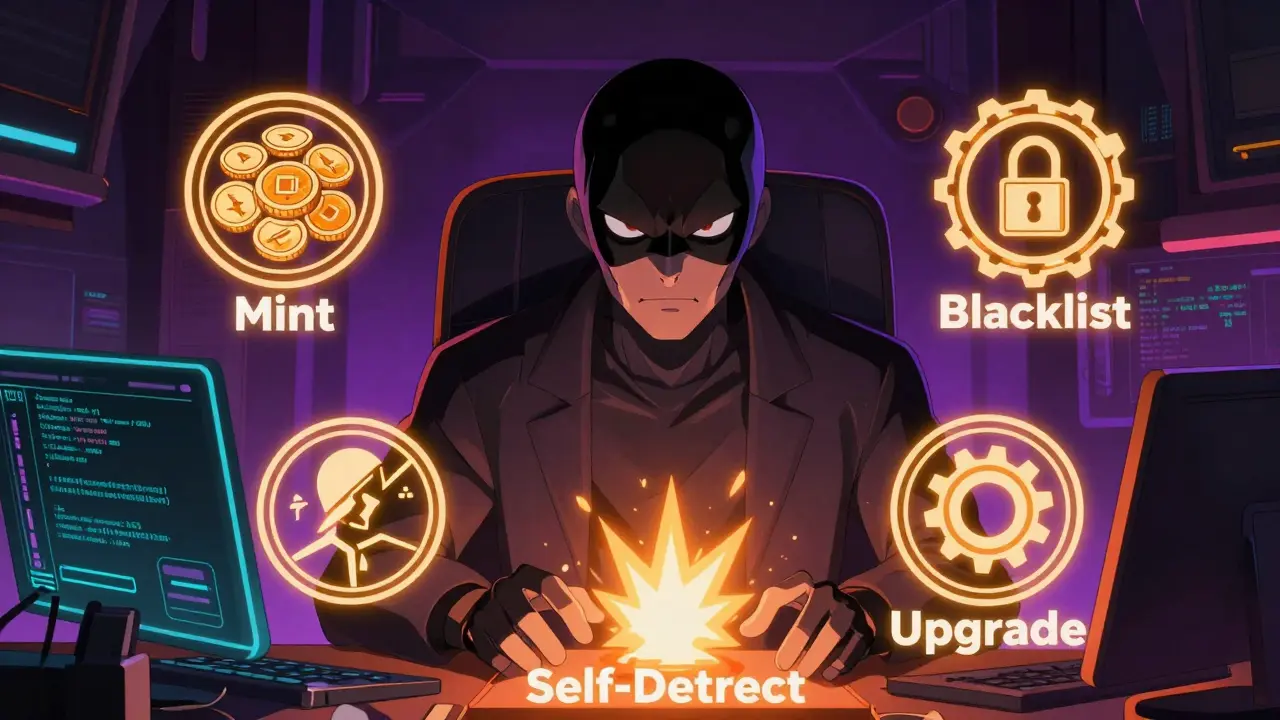
- Centralized Mint Capability: The developers can create new tokens at any time. Imagine you own 1% of a company, and the CEO decides to print 10 million new shares without telling you. Your 1% slice just got smaller. The INSURANCE team can dilute your holdings whenever they want.
- Self-Destruct Functionality: The contract contains a command that allows the creators to delete the entire token contract. If triggered, all funds locked in the contract vanish. This is essentially a kill switch that benefits no one but potentially hides developer theft.
- Blacklist Ability: Developers can block specific wallets from selling or transferring tokens. If you buy the token and the team doesn’t like you-or wants to prevent you from cashing out-they can freeze your assets permanently.
- Proxy/Upgradeable Design: The contract is not fixed. It points to a logic contract that can be updated. This means the rules of the token (fees, transfer limits, etc.) can change after you buy. Today it might be a fair trade; tomorrow it could charge a 99% fee on every sale.
These features indicate extreme centralization. True decentralization means the code runs as written, without human intervention. INSURANCE gives total control back to the anonymous developers. This structure is common in scams known as "rug pulls," where developers abandon the project after pumping the price.
Is There a Real Use Case?
The name suggests a connection to insurance. Blockchain-based insurance is a legitimate sector. Projects like Nexus Mutual or Etherisc offer coverage for DeFi hacks or smart contract failures. They use pooled capital and algorithmic claims processing to pay out users.
However, there is little public evidence that the INSURANCE token powers any such protocol. No whitepaper details a working insurance product. No roadmap shows integration with real-world insurers or decentralized risk pools. The broader blockchain-insurance market has a combined market cap of nearly $6 billion, but INSURANCE represents a tiny fraction of that.
Without a functional product, the token relies entirely on speculation. People buy it hoping someone else will pay more later. This is a classic "greater fool" theory scenario. When the hype fades, the price usually collapses because there is no underlying utility generating demand.
Who Should Avoid This Token?
If you fall into any of these categories, stay away from INSURANCE:
- Long-term Investors: The lack of utility and high centralization risk make it unsuitable for holding over years.
- Risk-Averse Traders: The potential for blacklisting or minting dilution introduces non-market risks that can wipe out gains instantly.
- Beginners: Navigating DEXs, managing slippage, and understanding contract risks requires experience. New users often get rekt by hidden fees or frozen wallets.
If you are an experienced degenerate trader who understands how to read Etherscan/BscScan transactions, sets tight stop-losses, and never invests more than you can afford to lose completely, you might play the volatility. But even then, the smart contract risks outweigh the potential rewards for most participants.
How to Check the Contract Yourself
Don’t take my word for it. Verify the risks yourself. Here is how:
- Go to BscScan.com.
- Paste the contract address:
0x64e4fea6e4f3637025c7bcd878e2b238b01f7d4e. - Click on the "Read Contract" tab. Look for functions named `mint`, `blacklist`, or `selfdestruct`.
- Check the "Holders" tab. Are the top 10 wallets holding more than 50% of the supply? If yes, one person could dump and crash the price.
- Look at the "Transactions" tab. Are there large transfers to unknown wallets? This could signal insider movement.
Transparency is key in crypto. If the developers hide behind anonymity and opaque code, assume the worst until proven otherwise.
Alternatives in the Insurance Space
If you believe in the future of decentralized insurance, consider projects with audited contracts, transparent teams, and actual products. Tokens like NXM (Nexus Mutual) or ILV (Illuvium, though gaming-focused, has insurance elements) have clearer roadmaps and community governance. They still carry risk, but they lack the malicious contract features found in INSURANCE.
Is the INSURANCE token a scam?
While we cannot legally label it a scam without proof of intent, it exhibits many characteristics of high-risk projects often associated with fraud. These include centralized minting, blacklist capabilities, and self-destruct functions. These features allow developers to manipulate or destroy user funds, making it extremely dangerous for average investors.
Where can I buy INSURANCE crypto?
You can only buy INSURANCE on decentralized exchanges (DEXs) on the BNB Chain, primarily PancakeSwap and ApeSwap. You will need a wallet like MetaMask funded with BNB to pay for gas fees and swap tokens directly from the contract address.
Why is the price of INSURANCE so volatile?
The token has low liquidity and a small market cap. With only $60k-$170k in daily volume, large buys or sells move the price dramatically. Additionally, rumors about developer actions or contract changes can cause panic selling or FOMO buying, exacerbating swings.
Can the developers steal my INSURANCE tokens?
They can effectively render them worthless. By using the blacklist function, they can prevent you from selling. By minting new tokens, they can dilute your value. By triggering self-destruct, they can erase the contract. While they may not "steal" the tokens directly from your wallet, they control the environment in which those tokens exist.
Does INSURANCE provide actual insurance coverage?
There is no public evidence of a functioning insurance protocol backed by the INSURANCE token. Unlike established projects in the space, it lacks a whitepaper detailing claims processes, risk pools, or partnerships. It appears to be a speculative asset rather than a utility token for insurance services.