
You see the headline pop up on social media or a Telegram group. "Anonverse X CMC Airdrop." The promise is sweet: free tokens from a project called Anonverse in partnership with CoinMarketCap (CMC), one of the most trusted names in crypto data. Your heart races. You want those tokens. But before you click that link, stop. Take a breath. Because right now, this specific collaboration does not exist in any official capacity, and clicking through could cost you your entire wallet balance.
In June 2026, the landscape of crypto airdrops has become a minefield. Legitimate projects like Monad or LayerZero have set high bars for participation, requiring real usage and significant capital. Meanwhile, scammers are using the names of reputable platforms like CoinMarketCap to lure victims into phishing traps. If you are looking for details on an "Anonverse X CMC" airdrop, you are likely staring at a sophisticated fraud designed to steal your private keys or seed phrase.
The Reality Check: No Official Partnership Exists
Let’s be direct. There is no verified record of a partnership between a project named Anonverse and CoinMarketCap for an airdrop campaign as of mid-2026. CoinMarketCap is extremely protective of its brand. They do not randomly partner with obscure or newly minted projects to distribute tokens without massive public announcements, press releases on their official blog, and integration into their main app interface.
If you saw this announcement on Twitter, Discord, or via a DM, it is almost certainly a fake. Scammers know that people trust the CMC logo. They create fake websites that look identical to CoinMarketCap’s domain, but with slight misspellings (like coinmarketcap-official.com or c-m-c-airdrop.net). These sites ask you to connect your wallet to "claim" your rewards. Once connected, they drain your funds.
Why would a scammer choose "Anonverse"? The name suggests privacy and anonymity, themes that are perennially popular in crypto. By combining a trendy-sounding project name with a trusted authority like CMC, they create a sense of urgency and legitimacy. This is a classic social engineering tactic.
How to Spot the Fake Anonverse Airdrop
You don’t need to be a cybersecurity expert to spot these traps. Here are the red flags that scream "scam" when it comes to unofficial airdrops:
- The URL doesn’t match: Always check the address bar. Does it say
coinmarketcap.com? Or is it a variation? Legitimate CMC campaigns live only on their primary domain or verified subdomains. - No official announcement: Go to the official CoinMarketCap website or their verified Twitter/X account (@CoinMarketCap). Search for "Anonverse." If there is no post from them, the airdrop is fake. Projects do not hide big partnerships.
- Requests for Seed Phrases: No legitimate service will ever ask for your 12 or 24-word recovery phrase. If the site asks for this, close the tab immediately.
- Urgency and Exclusivity: Phrases like "Claim within 24 hours or lose out" or "Limited spots available" are pressure tactics. Real airdrops have clear, documented timelines that last weeks or months.
- Unverified Smart Contracts: If you are asked to sign a transaction on a blockchain explorer, check the contract address. Is it verified? Does it belong to Anonverse or CMC? Often, these contracts are malicious scripts written to approve unlimited spending of your assets.
Why CoinMarketCap Doesn't Do Random Airdrops
To understand why this is a scam, you need to understand how CoinMarketCap operates. CMC is a data aggregator, not a venture capitalist or a token distributor. While they have launched their own platform, CoinMarketCap Earn, in the past, these were highly curated educational programs. They did not simply give away tokens for connecting a wallet.
In the current market environment of 2026, regulatory scrutiny is higher than ever. Platforms like CMC are under intense watch by financial regulators globally. Associating their brand with an unvetted project like "Anonverse" would pose a massive legal and reputational risk. They avoid this by keeping their partnerships transparent and limited to major, established players.
Furthermore, the mechanics of airdrops have changed. In the early days of Ethereum, you might get tokens just for holding ETH. Today, successful airdrops require "proof of work." Think about recent major distributions. To qualify for rewards from projects like Hyperliquid or Nillion Network, users had to provide liquidity, trade volumes, or stake assets over long periods. A simple "click to claim" model is dead because it attracts bots and sybil attackers, diluting the value for real users. If an airdrop is too easy, it’s either worthless or a trap.
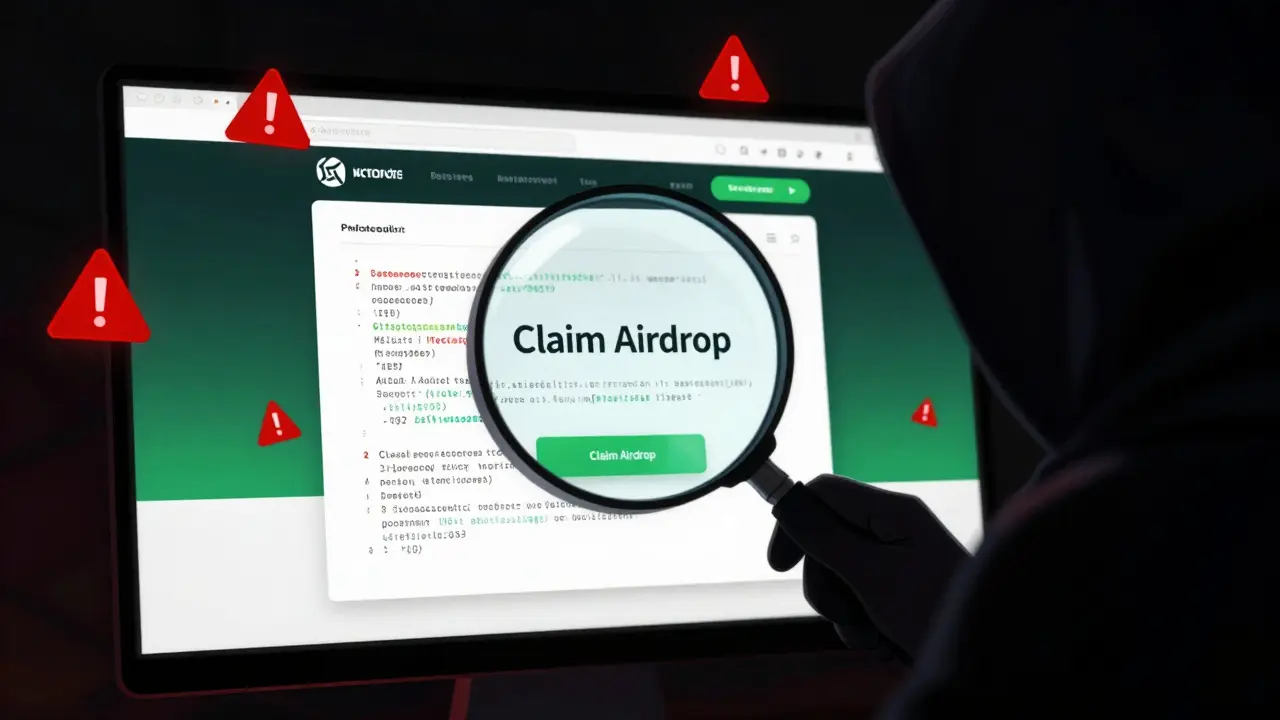
The Mechanics of the Phishing Attack
When you fall for a fake airdrop like the alleged Anonverse X CMC scheme, here is exactly what happens behind the scenes:
- The Hook: You click a link shared by a bot or a compromised influencer account.
- The Interface: You land on a site that looks professional. It displays your wallet address correctly because it reads public data from the blockchain.
- The Connection: You click "Connect Wallet" to verify eligibility. This seems harmless. However, the next step is the killer.
- The Approval Transaction: The site asks you to sign a transaction to "register" or "claim." In reality, this is an ERC-20 `approve` function. You are giving the scammer’s smart contract permission to spend all your tokens (USDT, ETH, WBTC) without limit.
- The Drain: Within seconds, the scammer executes a transfer command, moving all your approved assets to their wallet. You are left with zero balance and a warning that your wallet has been drained.
This process takes less than 30 seconds. Once the funds are gone, they are moved through mixers and cross-chain bridges, making recovery nearly impossible.
What to Do If You Already Clicked
If you suspect you have interacted with a fake Anonverse airdrop site, act fast. Time is your enemy.
- Disconnect Immediately: Go to your wallet settings (MetaMask, Phantom, etc.) and disconnect the suspicious site.
- Revoke Permissions: Use tools like Revoke.cash or the built-in security features in your wallet to revoke any token approvals granted to unknown contracts. Look for transactions labeled "Approve" and remove them.
- Move Remaining Funds: If you still have assets in that wallet, move them to a new, clean wallet with a fresh seed phrase. Do not leave anything in the compromised wallet.
- Change Passwords: If you entered any login credentials on the fake site, change passwords for your email and other crypto exchanges immediately.
- Do Not Interact Further: Do not try to "send back" money to the scammer to reverse the transaction. That won’t work. Just secure your remaining assets.

Legitimate Ways to Find Real Airdrops
Don’t let scams stop you from participating in legitimate opportunities. The key is verification. Here is how to find real airdrops in 2026:
1. Follow Official Channels Only Never trust a DM. Never trust a random tweet. Go to the project’s official website and read their blog. Check their verified Discord server. Look for pinned messages from moderators. If the airdrop isn’t announced there, it doesn’t exist.
2. Use Aggregator Tools Carefully Sites like Airdrop.io or specialized crypto news outlets curate lists of potential airdrops. However, even these can contain errors. Always cross-reference. If a site says "Project X is doing an airdrop," go to Project X’s official Twitter and search for confirmation.
3. Focus on Usage, Not Hype The best airdrops reward actual users. If you want exposure to new protocols, use them. Provide liquidity on decentralized exchanges, borrow on lending platforms, or vote in governance forums. If the project launches a token later, your activity history may make you eligible. This is slow, but it is safe and often more profitable than chasing fake "free money" clicks.
4. Check Contract Addresses Before interacting with any dApp, verify the contract address on Etherscan, Solscan, or the relevant block explorer. Compare it with the address listed on the project’s official documentation. One wrong character means you are interacting with a clone.
The Psychology Behind Crypto Scams
Why do these scams work so well? They exploit human psychology. Specifically, they target FOMO (Fear Of Missing Out) and greed. We see stories of people making millions from airdrops like Uniswap or Arbitrum. We want that same success. Scammers know this. They package their lies in the language of opportunity.
They also exploit trust. By using the CoinMarketCap logo, they borrow credibility. You assume that if CMC is involved, the project must be vetted. This assumption is dangerous. In the decentralized world, anyone can copy a logo and host a website. Trust must be earned through verification, not assumed based on branding.
Additionally, scammers create a sense of community. They build Telegram groups where "other users" share screenshots of their claimed rewards. These are all bots. The goal is to make you feel like you are part of an exclusive club. When you finally click, you realize you are the only real person in the room.
Building a Secure Crypto Routine
To protect yourself from threats like the fake Anonverse airdrop, adopt a strict security routine:
- Use a Hardware Wallet: For significant holdings, use a Ledger or Trezor. These devices require physical confirmation for transactions, adding a layer of protection against remote malware.
- Keep a Burner Wallet: Use a separate software wallet with minimal funds for testing new dApps or claiming airdrops. Keep your main savings in a cold wallet that never connects to sketchy sites.
- Enable 2FA: Use authenticator apps (like Google Authenticator or Authy) for two-factor authentication on all your accounts. Never use SMS 2FA, as it is vulnerable to SIM swapping.
- Educate Yourself: Read about common scam tactics. Understanding how phishing works makes you immune to it. Knowledge is your best defense.
Is the Anonverse X CMC airdrop real?
No, as of June 2026, there is no official partnership between Anonverse and CoinMarketCap. Any website or social media post claiming otherwise is likely a scam designed to steal your crypto assets.
How can I verify if a crypto airdrop is legitimate?
Always check the official website and verified social media accounts of both the project and the platform hosting the airdrop (like CoinMarketCap). If it is not announced directly by them, do not trust third-party links. Additionally, verify the smart contract address on a block explorer.
What should I do if I connected my wallet to a fake airdrop site?
Immediately disconnect the site from your wallet. Use a tool like Revoke.cash to revoke any token approvals you granted. Move any remaining funds to a new, secure wallet. Change your passwords if you entered any credentials on the fake site.
Does CoinMarketCap give away free tokens?
CoinMarketCap has run educational campaigns in the past, but they do not randomly partner with small projects for airdrops. They are very cautious about brand association. Be skeptical of any claim linking CMC to an unknown token distribution.
Why do scammers use the name "Anonverse"?
Scammers choose names that sound trendy or related to popular crypto themes like privacy and anonymity. By combining a catchy name with a trusted brand like CoinMarketCap, they create a false sense of legitimacy to trick users into clicking malicious links.