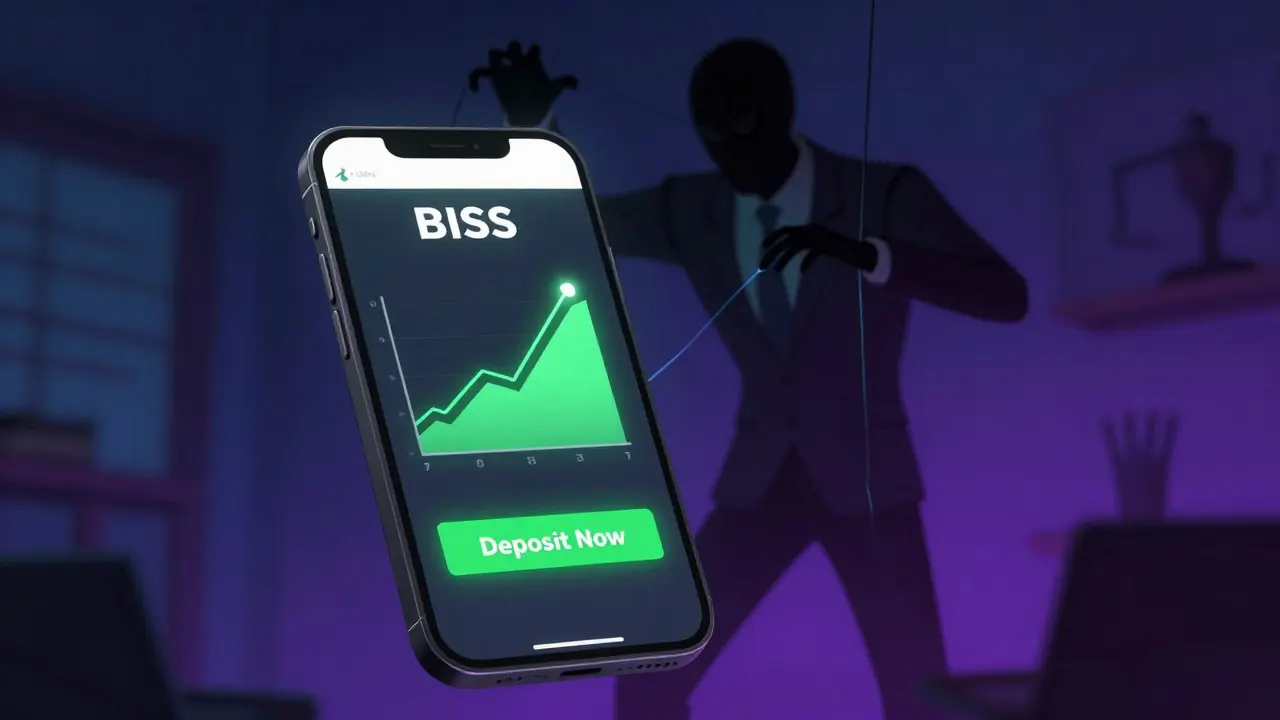
The Truth About the "BISS" Crypto Exchange
You’ve probably seen ads or heard whispers about a platform called BISS crypto exchange. Maybe you’re looking for a new place to trade Bitcoin, or perhaps you were promised high returns. Here is the hard truth right off the bat: **There is no legitimate cryptocurrency exchange named BISS.** If you are trying to deposit funds into an account labeled "BISS," stop immediately. You are likely dealing with a fraudulent scheme designed to steal your money. This confusion usually stems from a mix-up with the Bank for International Settlements (BIS), which is a prestigious international financial organization owned by central banks, not a trading platform for digital assets. The BIS has nothing to do with retail crypto trading, and it certainly does not operate an exchange. Let’s break down why this name keeps popping up, how scammers use it, and what you should actually look for when choosing a safe place to trade in 2026.
Why the Confusion? BISS vs. BIS
The root of this problem is phonetic similarity. The Bank for International Settlements (BIS) is a real entity. Established in 1930 in Basel, Switzerland, it serves as a forum for monetary and financial cooperation among central banks. It publishes serious research on financial stability, including reports on cryptocurrency risks following major collapses like FTX in 2022. Scammers exploit this authority. They create fake websites that mimic the professional look of the BIS or use similar acronyms like "BISS" to trick users into thinking they are dealing with a government-backed or highly regulated institution. Remember this rule: The BIS regulates policy; it does not let you buy Ethereum. If a site claims to be "BISS" and asks for your ID and bank details, it is a phishing operation.
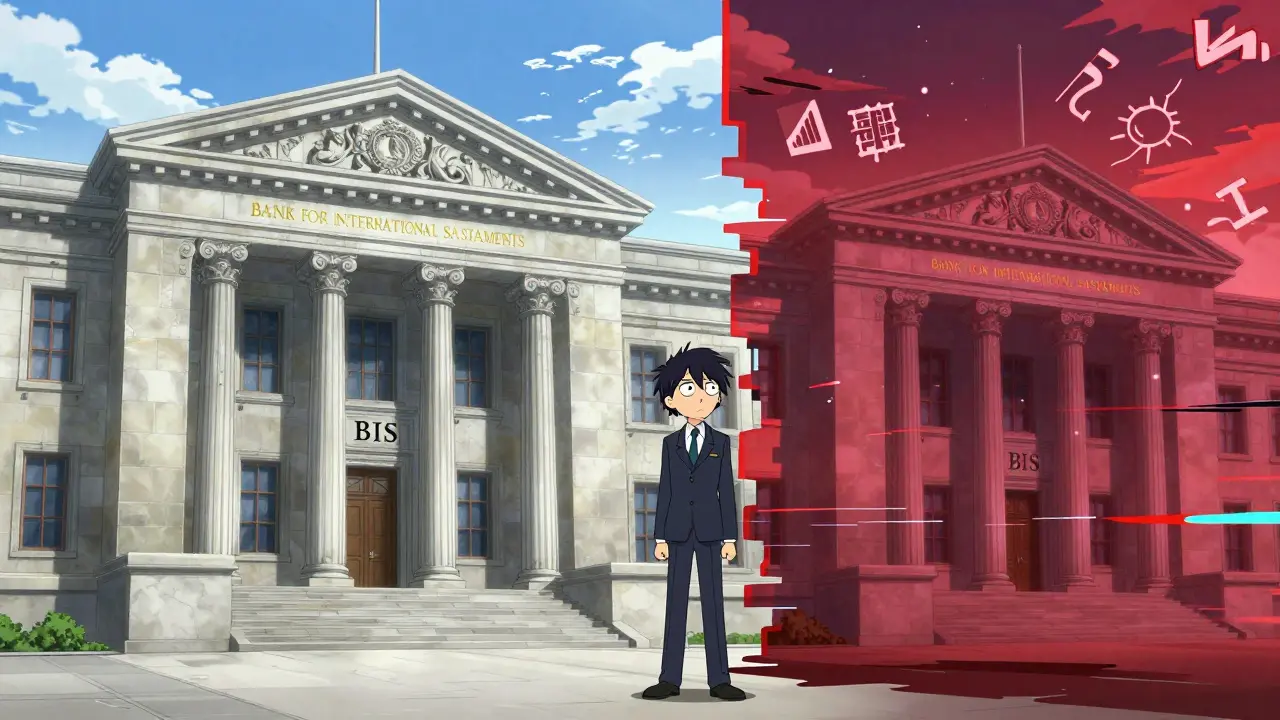
How These Fake Exchanges Operate
Fraudulent platforms like the fake "BISS" exchange follow a predictable script. Understanding this pattern can save you thousands of dollars.
- The Hook: You see an ad on social media or receive an email promising guaranteed profits or "exclusive access" to a new trading tool.
- The Platform: You are directed to a website that looks sleek and modern. It might even show live charts and fake order books to appear legitimate.
- The Deposit: You are asked to deposit funds via wire transfer, gift cards, or direct cryptocurrency transfers. Legitimate exchanges never ask for gift cards.
- The Lockout: Once the money is gone, you cannot withdraw. The support team will tell you need to pay "taxes" or "verification fees" to release your funds. This is a second layer of the scam.
What Makes a Real Crypto Exchange Safe?
If you want to trade safely, you need to stick to established, regulated platforms. In 2026, the landscape is much clearer than it was five years ago. Here is what separates a legitimate exchange from a scam:
- Regulatory Licenses: Real exchanges hold licenses in the jurisdictions they operate. For example, in Canada, they must register with the Financial Transactions and Reports Analysis Centre of Canada (FINTRAC). In the EU, they comply with MiCA (Markets in Crypto-Assets) regulations.
- Proof of Reserves: Legitimate platforms publish regular audits showing they actually hold the customer assets they claim to have. After the FTX collapse, this became a non-negotiable standard.
- Transparent Fees: You can clearly see trading fees, withdrawal fees, and spread costs before you execute a trade. Scams hide these costs until you try to withdraw.
- Security Features: Look for two-factor authentication (2FA), withdrawal whitelists, and cold storage policies. Major exchanges keep less than 5% of assets in "hot wallets" (connected to the internet) to prevent hacks.

Red Flags to Watch Out For in 2026
Even if you avoid "BISS," other scams evolve constantly. Here are specific warning signs that a platform is not trustworthy:
| Feature | Legitimate Exchange | Fraudulent/Suspicious Platform |
|---|---|---|
| Website Age | Domain registered for years | Domain created recently (weeks/months ago) |
| Contact Info | Physical address, verified phone number | Only Telegram/WhatsApp contact, no physical office |
| Promises | No guaranteed returns | Guaranteed daily profits or "risk-free" trades |
| Pressure Tactics | Self-paced trading | Urgent calls demanding immediate deposits |
| Regulation | Listed on government regulator websites | Vague claims of being "globally licensed" without specifics |
Protecting Yourself: Best Practices
Your first line of defense is skepticism. If it sounds too good to be true, it is. Beyond avoiding unknown names like BISS, adopt these habits:
- Use Hardware Wallets: For long-term holdings, move your crypto off exchanges entirely. Devices like Ledger or Trezor give you full control over your private keys.
- Enable Strong 2FA: Use an authenticator app (like Google Authenticator or Authy) rather than SMS verification, which can be intercepted.
- Verify URLs: Always type the exchange address manually or use a bookmark. Do not click links in emails or DMs.
- Check Reviews Independently: Look for user experiences on trusted forums like Reddit or specialized crypto communities, not just testimonials on the exchange’s own website.
Is BISS crypto exchange legit?
No, BISS is not a legitimate cryptocurrency exchange. There is no record of a reputable platform by this name. It is likely a scam or a confusion with the Bank for International Settlements (BIS), which does not offer trading services.
What is the difference between BIS and BISS?
The BIS (Bank for International Settlements) is a real international organization for central banks. BISS appears to be a fabricated name used by scammers to mimic the authority of the BIS. The BIS does not operate a crypto exchange.
Can I recover money lost to a fake exchange?
Recovery is difficult but not impossible. Report the incident to your local law enforcement and financial crime units immediately. If you paid via credit card, contact your bank to dispute the charge. Never send more money to "release" your funds.
Which crypto exchanges are safe to use in 2026?
Stick to well-known, regulated exchanges such as Coinbase, Kraken, Binance (where legal), and Bitbuy (in Canada). These platforms undergo regular audits and comply with strict financial regulations.
How do I verify if a crypto exchange is regulated?
Check the official website of your country's financial regulator (e.g., FINTRAC in Canada, SEC/CFTC in the US, or ESMA in Europe). Legitimate exchanges will list their license numbers and registration status publicly.