You found a platform called BTX Pro, and it looks slick. The interface is clean, the charts move fast, and maybe someone you met online told you about it. But before you wire your savings into their system, you need to ask the hard question: Is this thing actually real? Spoiler alert: The evidence points strongly toward "no." If you are looking for a legitimate place to trade Bitcoin or Ethereum, BTX Pro likely isn't it.
The Big Red Flag: Lack of Regulation
Here is the simplest rule in finance: If a broker isn't regulated by a top-tier authority, keep your money elsewhere. BTX Pro falls into the category of platforms that lack oversight from major regulators like the SEC in the US, the FCA in the UK, or ASIC in Australia. This isn't just a minor bureaucratic detail; it’s the difference between having legal recourse if things go wrong and being completely on your own.
Compare this to established giants. Coinbase operates under strict US regulations, offering insurance on digital assets and transparent fee structures. Similarly, Kraken has been around since 2011 and maintains robust security protocols verified by third parties. BTX Pro? There is no public record of such audits. No license number to check. No regulatory body to complain to if they freeze your account.
| Feature | BTX Pro (Estimated) | Coinbase/Kraken |
|---|---|---|
| Regulation Status | Unregulated / Unknown | Top-Tier (SEC, FCA, etc.) |
| Asset Storage | Unknown | 95% Cold Storage |
| Fee Transparency | Hidden Fees Likely | Clear Maker/Taker Fees |
| User Support | Slow / Unresponsive | 24/7 Live Chat & Phone |
Confusion with Legitimate Brands
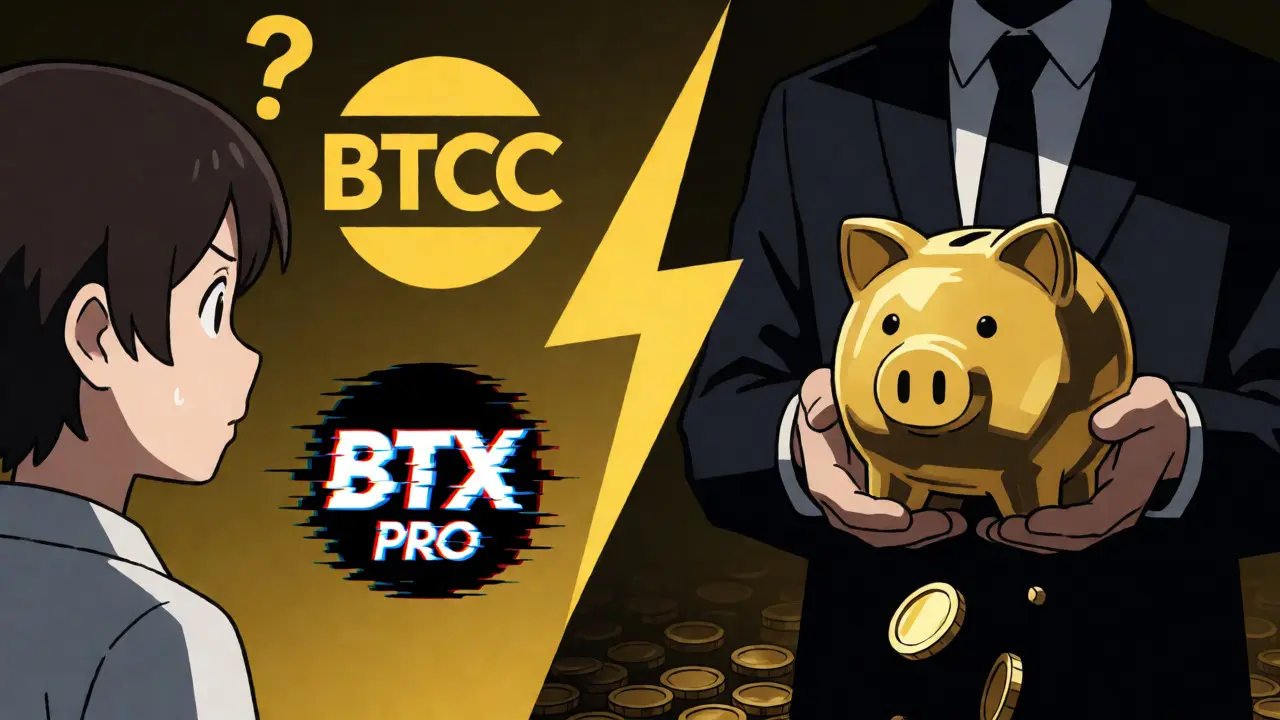
One reason people get trapped by platforms like BTX Pro is name confusion. You might see reviews for BTCC, which claims to be one of the oldest crypto exchanges, founded back in 2011. BTCC is a real company, though it has its own controversies regarding leverage and liquidation practices. However, BTX Pro is not BTCC. They are distinct entities.
Scammers often use names that sound similar to trusted brands to borrow credibility. A quick search might show a page on BTCC’s site titled "Btx Pro exchange review," but look closely at the content. It often discusses unrelated topics like Cardano price predictions rather than providing an actual analysis of BTX Pro. This suggests SEO manipulation-trying to trick search engines (and you) into thinking these two are connected. Don’t fall for it. Verify the URL and the corporate registration details yourself.
The "Pig Butchering" Pattern
If you were introduced to BTX Pro through a dating app, social media DM, or a WhatsApp group, be extremely cautious. This fits the profile of a "pig butchering" scam. In this scheme, scammers build trust over weeks or months. They might share fake screenshots of massive profits, showing balances growing rapidly. Everything looks perfect until you try to withdraw your money.
Then comes the twist. The platform demands a "tax," a "withdrawal fee," or a "verification deposit" before releasing your funds. These fees are often arbitrary and increase the more you pay them. According to data from the California Department of Financial Protection and Innovation (DFPI), victims of similar unregulated platforms lose an average of $50,000 per case. Once you pay that initial "fee," they demand another. It’s a bottomless pit designed to drain your account.
Technical Shortcomings and Security Risks
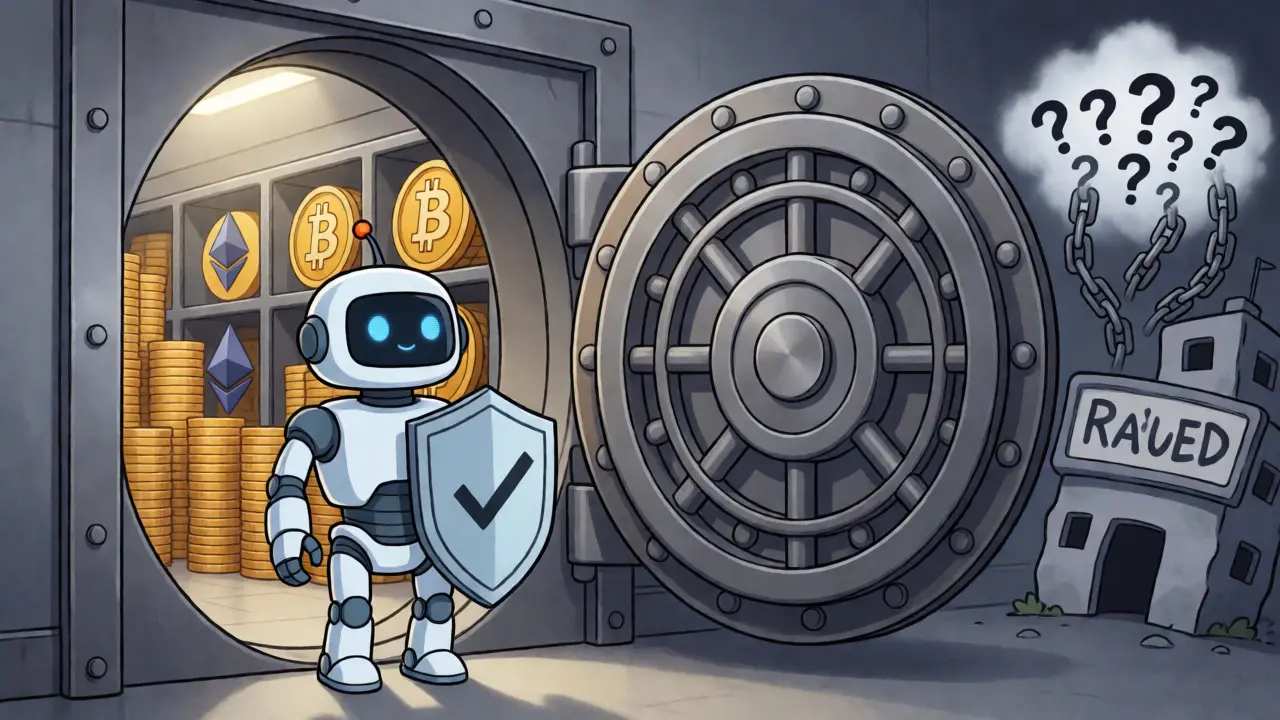
Legitimate exchanges invest heavily in security. They store the majority of user assets in offline, air-gapped cold storage. They implement Two-Factor Authentication (2FA), master keys, and PGP encryption. Does BTX Pro offer this? There is little to no documentation proving it. Without public proof of reserves or security audits, you have to assume your funds are sitting in a hot wallet controlled entirely by anonymous operators.
Furthermore, the trading experience on these questionable platforms often feels manipulated. Users on similar sites report seeing different prices when opening long versus short positions. Others complain about sudden liquidations where their entire balance vanishes even when they still had significant margin left. Are you trading against the global market, or are you playing against a house that controls the internal pricing engine? With BTX Pro, you can’t verify the order book depth or liquidity, making it impossible to know if your trades are executing fairly.
What Real Traders Should Do Instead
If you want to trade crypto, stick to platforms with a track record. Here is a quick checklist for vetting any exchange:
- Check the License: Look for a regulatory license number in the footer of the website. Click it. Does it link to a government database?
- Read Independent Reviews: Ignore testimonials on the site itself. Check Trustpilot, Reddit, and specialized forums like Bitcointalk. Look for patterns in complaints.
- Test Withdrawals Early: Deposit a small amount first. Try to withdraw it immediately. If it takes days or requires customer support intervention, walk away.
- Avoid High-Pressure Sales: If someone is calling you daily urging you to invest more to "lock in" gains, run.
Platforms like Binance, Crypto.com, and Bitstamp dominate the market because they offer transparency. You can see the fees upfront. You can contact human support. You can read the terms of service without needing a law degree. BTX Pro offers none of these guarantees.
The Verdict: High Risk, Low Reward
Is BTX Pro a scam? While we can’t legally declare every unregulated entity fraudulent, the risk profile is undeniable. The combination of missing regulation, potential name confusion with BTCC, and operational patterns matching known pig butchering scams makes it a dangerous place for your capital. Industry data shows that 92% of reported scam platforms cease operations within 18 months of detection. If BTX Pro disappears tomorrow, what happens to your balance? Probably nothing good.
Don’t let the shiny interface fool you. In crypto, boring is often better. Boring means audited. Boring means regulated. Boring means you can sleep at night knowing your Bitcoin is actually yours. Until BTX Pro proves otherwise with concrete regulatory filings and independent audits, treat it as guilty until proven innocent.
Is BTX Pro the same as BTCC?
No, they are different entities. BTCC is a registered exchange with a history dating back to 2011, while BTX Pro appears to be a separate, unregulated platform. Scammers often use similar names to confuse investors, so always verify the specific domain and company registration.
Why does BTX Pro ask for taxes on withdrawals?
Legitimate exchanges deduct fees automatically from your balance; they rarely require you to send extra money to unlock funds. Demanding additional payments labeled as "taxes" or "unfreezing fees" is a classic hallmark of a scam, specifically the "pig butchering" type.
Can I trust the profit numbers shown on BTX Pro?
Be skeptical. On unregulated platforms, the backend database is controlled by the operator. They can manipulate displayed balances to show artificial growth, encouraging you to deposit more. Always cross-reference prices with major exchanges like Coinbase or Binance.
What should I do if I already deposited money?
Try to withdraw a small test amount immediately. If they refuse or ask for more money, stop depositing. Document all communications and consider reporting the issue to local financial authorities or consumer protection agencies like the DFPI or FTC.
Are there safe alternatives to BTX Pro?
Yes. Stick to top-tier regulated exchanges such as Coinbase, Kraken, Binance, or Crypto.com. These platforms undergo regular audits, offer insurance options, and have transparent fee structures, ensuring your funds are safer.