
Imagine you’ve just made a deposit into a new crypto platform. The dashboard looks slick, the numbers are climbing, and your "account manager" is texting you every hour with hot tips. Then, when you try to withdraw that profit, the screen freezes. A message pops up: Pay a 30% tax to unlock funds. Sound familiar? This isn’t a glitch; it’s a pattern. If you’re looking at BTX Pro, you need to know that this platform raises serious red flags for anyone wanting to keep their money safe.
We aren’t here to sugarcoat things. Based on regulatory warnings and user reports from late 2025 and early 2026, BTX Pro fits the profile of high-risk, unregulated operations. While legitimate exchanges like Coinbase or Kraken offer transparency, BTX Pro operates in the shadows. Let’s break down exactly why experts are urging caution, what the data says, and where you should actually trade your crypto.
The Core Problem: Regulation and Trust
Here is the hard truth: if an exchange isn’t regulated by a top-tier authority, your money is essentially unprotected. According to legal analyses from BrokerChooser (November 2025), platforms similar to BTX Pro, such as BTX+, fail the most basic test of investment safety-proper regulation. Top-tier regulators, like those in the US, UK, or Canada, enforce strict rules to ensure brokers play fair. They require audits, insurance, and clear dispute resolution processes.
BTX Pro lacks this backbone. There is no evidence of oversight from major bodies like the SEC in the US or the FCA in the UK. Without these guardrails, who decides if your trade was executed correctly? Who stops the platform from simply changing the price on your screen? In unregulated environments, the house always wins because they control the market data you see. This isn’t speculation; it’s how pig butchering scams operate. Victims are lured in, watch fake balances grow, and then face impossible hurdles when trying to leave.
Red Flags in User Experience and Mechanics
When we look at how BTX Pro functions, specific warning signs emerge. First, there’s the issue of artificial growth. Users often report seeing rapid gains in their account balance shortly after depositing. But when they attempt to withdraw, the platform demands additional fees, taxes, or margin calls. One common tactic documented by the California Department of Financial Protection and Innovation (DFPI) involves demanding up to 30% of the total balance just to "unfreeze" the account.
Another major concern is price manipulation. Reviews of similarly structured platforms note that prices differ depending on whether you are opening a long or short position. This suggests you aren’t trading on the real global market. Instead, you’re betting against an internal system designed to liquidate your position even when you still have healthy margins. For example, users have reported losing their entire balance while still holding 40% margin. In a real market, that shouldn’t happen unless the platform intentionally triggers a stop-out.
- Aggressive Sales Tactics: Expect constant contact via WhatsApp or Telegram promising returns between 500% and 2000%. Real markets don’t guarantee those numbers consistently.
- Limited Asset Selection: Unlike Coinbase, which offers over 235 cryptocurrencies, BTX Pro reportedly supports only the top 10 coins. This limits diversification and keeps you locked into volatile majors.
- Withdrawal Obstacles: The classic "pay to get paid" scheme. You pay fees to release profits, only to find more fees waiting behind them.
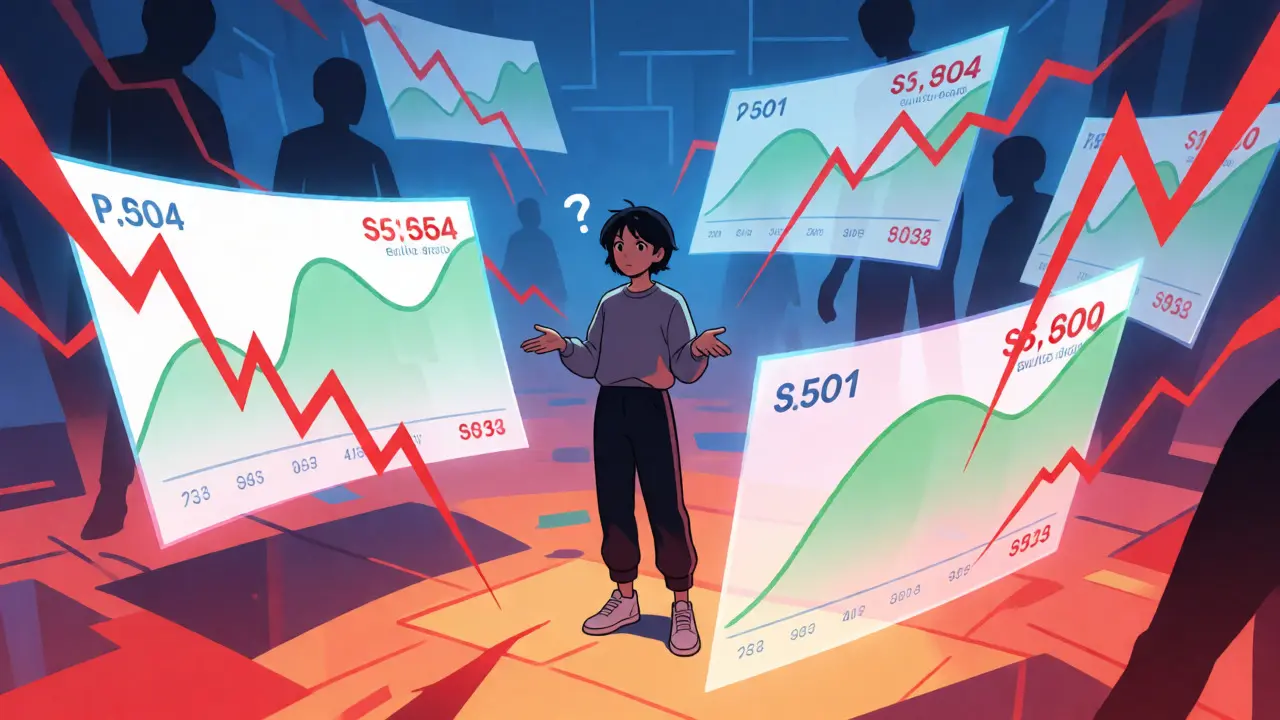
Comparison: BTX Pro vs. Regulated Exchanges
To understand the gap, let’s compare BTX Pro with established players. We aren’t just talking about brand names; we’re talking about infrastructure. Legitimate exchanges invest heavily in security, keeping 95% of assets in offline, air-gapped cold storage. They use two-factor authentication (2FA), PGP encryption, and real-time monitoring. Does BTX Pro show proof of this? No.
| Feature | BTX Pro | Coinbase | Kraken |
|---|---|---|---|
| Regulation Status | Unregulated / Low-Tier | Top-Tier (SEC, FCA, etc.) | Top-Tier (FinCEN, CBI) |
| Asset Support | ~10 Major Coins | 235+ Cryptocurrencies | 350+ Cryptocurrencies |
| Fee Structure | Opaque / Hidden Fees | Transparent (0%-3.99%) | Transparent (0%-0.4%) |
| Security Measures | Unverified | Cold Storage, FDIC Insurance* | Cold Storage, Proof of Reserves |
| User Safety Score | High Risk | Low Risk | Low Risk |
*Note: FDIC insurance covers USD balances held in custody, not the crypto itself, but it adds a layer of trust for fiat holdings.
The difference is stark. Kraken and Coinbase publish their reserves and undergo regular audits. BTX Pro does not. When you trade on BTX Pro, you are trusting a black box. On regulated exchanges, you are participating in a transparent ecosystem.
The "Pig Butchering" Connection
You might wonder, "Is this just bad luck, or is it a scam?" The operational model of BTX Pro closely mirrors what the DFPI calls "pig butchering." These scams typically start with a connection-often through dating apps or social media. The victim is guided to a platform that looks professional. Their balance grows, creating a sense of momentum. Then, the trap snaps shut.
Data from the DFPI shows that crypto fraud cases increased by 37% year-over-year recently. Of these, 62% involve pig butchering tactics. The average loss per victim exceeds $50,000. Why so high? Because victims often reinvest profits, thinking they can double down, only to lose both principal and gains. BTX Pro’s reliance on aggressive marketing and lack of independent reviews fits this typology perfectly. Independent platforms like Trustpilot show mixed or negative feedback for similarly named entities, with users reporting unresponsive support and frozen accounts.

What Should You Do Next?
If you already have money in BTX Pro, do not panic, but do not send more. Try to withdraw a small amount immediately. If they ask for a fee to process a withdrawal that is smaller than the fee itself, you are likely caught in a fee-trap loop. Document everything: screenshots of chats, transaction IDs, and email correspondence.
If you haven’t deposited yet, walk away. The potential upside isn’t worth the risk of losing your capital entirely. Instead, consider moving to a platform with verifiable track records. Here is a quick checklist for choosing a safer alternative:
- Check Regulatory Licenses: Look for registration with the SEC, FinCEN, FCA, or ASIC. If you can’t find a license number, assume they are unregulated.
- Verify Security Protocols: Does the site mention cold storage and 2FA? Can you enable hardware key support?
- Read Independent Reviews: Ignore testimonials on the exchange’s own website. Check Reddit, Trustpilot, and G2.com for consistent complaints about withdrawals.
- Test Withdrawals Early: Before investing significant sums, deposit a small amount and try to withdraw it within 24 hours.
Long-Term Viability and Market Context
History repeats itself in crypto. Many platforms that mimic legitimate exchanges eventually disappear. DFPI data indicates that 92% of reported scam platforms cease operations within 18 months of detection. Victims recover less than 3% of their funds on average. This low recovery rate is due to the anonymity of crypto transactions and the difficulty of tracking offshore entities.
BTX Pro’s confusion with other brands, like BTCC, further muddies the waters. BTCC is a legitimate, albeit controversial, exchange founded in China. Scammers often use SEO tricks to associate their shady platforms with reputable names. A URL titled "Btx Pro exchange review" on BTCC’s site was found to contain unrelated content, suggesting keyword stuffing rather than genuine endorsement. Don’t let brand similarity fool you. Verify the exact domain and legal entity before clicking "Deposit."
Is BTX Pro a legitimate crypto exchange?
Evidence suggests BTX Pro is high-risk and potentially fraudulent. It lacks top-tier regulatory oversight, has opaque fee structures, and matches patterns identified by regulators as characteristic of pig butchering scams. Most financial experts recommend avoiding it in favor of regulated alternatives.
Why can't I withdraw my money from BTX Pro?
Users frequently report being asked to pay additional "taxes" or "fees" to unlock withdrawals. This is a common tactic in unregulated platforms known as fee-trapping. Often, paying one fee leads to another demand, preventing the user from ever accessing their original capital.
Does BTX Pro have any regulation?
There is no public record of BTX Pro being regulated by top-tier authorities like the SEC (USA), FCA (UK), or CIRO (Canada). Platforms without such regulation do not provide investor protection schemes, meaning losses are rarely recoverable.
How is BTX Pro different from BTCC?
BTCC is an established exchange founded in 2011 with a history of operation, though it has faced its own controversies. BTX Pro appears to be a separate, newer entity that may use similar naming conventions to confuse investors. They are distinct platforms with different reputations and regulatory statuses.
What are safer alternatives to BTX Pro?
Look for exchanges with transparent fee structures and strong security protocols. Coinbase, Kraken, Binance, and Bitstamp are widely recognized for their regulatory compliance, large asset selections, and robust customer support systems.