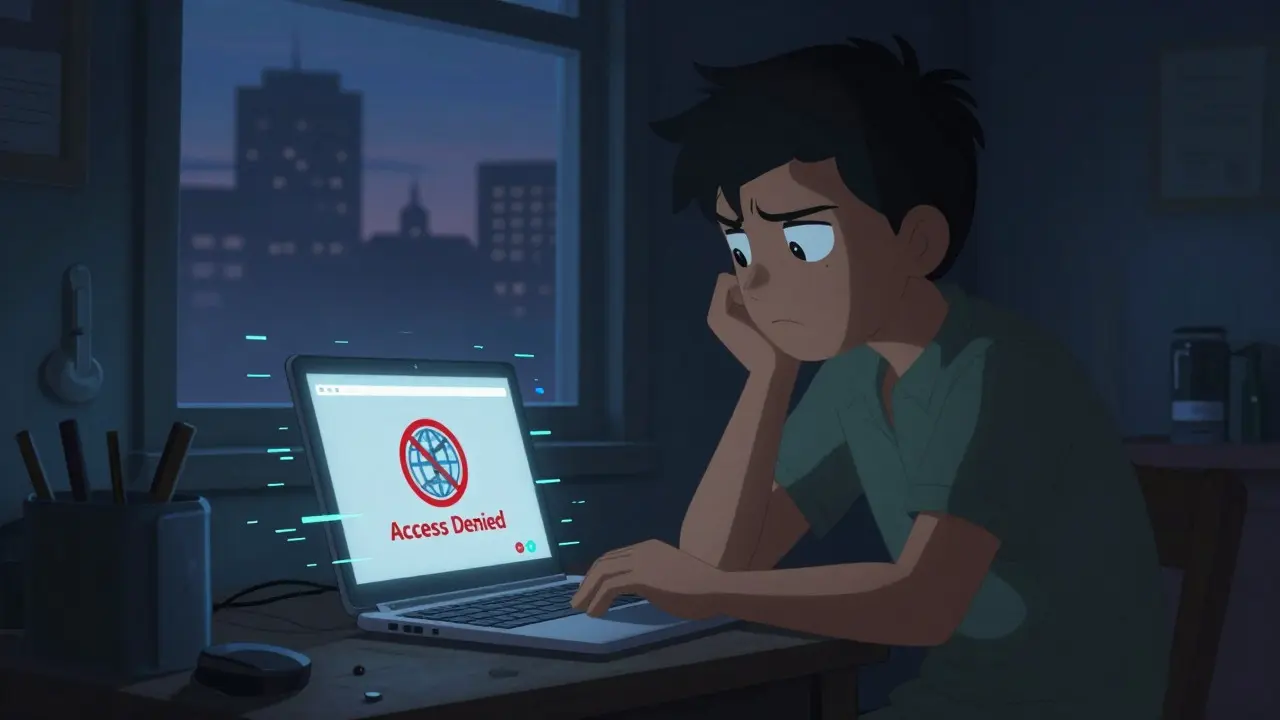
Living in Bangladesh and wanting to trade Bitcoin or Ethereum feels like trying to drink water through a straw that’s been pinched shut. The government has strict rules, and major global exchanges often block users from the region entirely. For many traders here, a Virtual Private Network (VPN) isn’t just a privacy tool; it is the only bridge between their local bank account and the global crypto market.
If you are looking to buy, sell, or hold cryptocurrency in Bangladesh without getting flagged by your internet service provider or blocked by an exchange, you need more than just any free app from the Play Store. You need a specific setup that balances speed, security, and anonymity. Here is how Bangladeshi traders are navigating these restrictions safely and effectively.
Why Do You Need a VPN for Crypto in Bangladesh?
The short answer is accessibility and privacy. In 2018, Bangladesh introduced the Digital Security Act, which gives authorities significant power to monitor online activities. While this law targets broader digital crimes, it creates an environment where financial transactions can be scrutinized.
Beyond local laws, there is the issue of geo-blocking. Major platforms like Bitfinex explicitly ban clients from Bangladesh. Other giants, such as Binance, have restricted services in dozens of countries due to regulatory pressure. Even if Binance doesn't fully block Bangladesh, they may limit features or require excessive verification that exposes your identity.
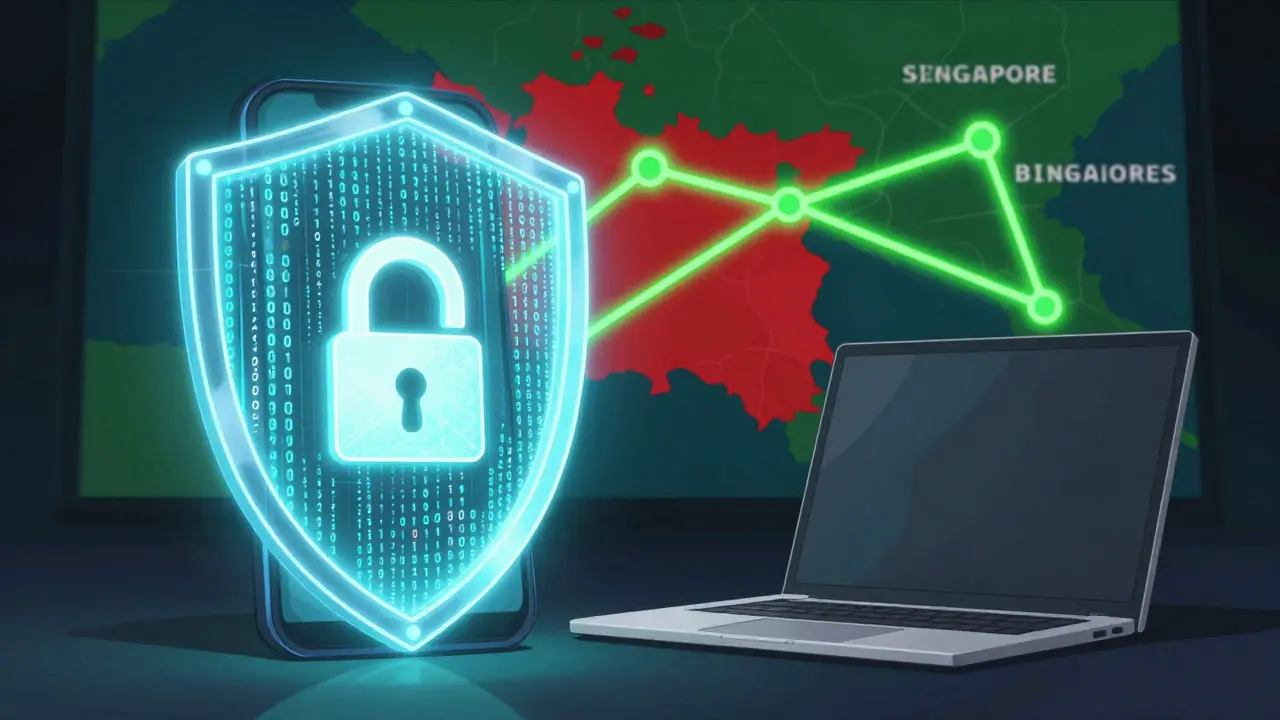
Without a VPN, your IP address reveals your location instantly. When you connect to a crypto exchange, that platform sees you are in Dhaka or Chittagong and may deny access before you even see the login page. A VPN masks this IP, making it look like you are connecting from a friendly jurisdiction, such as Singapore or Canada.
Choosing the Right VPN: Speed vs. Security
Not all VPNs are created equal, especially when money is on the line. If you are trading volatile assets like Solana or Dogecoin, milliseconds matter. A slow connection means you might execute a trade at a worse price, losing profit instantly. However, speed is useless if your data leaks. You need a service that offers both high throughput and military-grade encryption.
Here are the top contenders recommended by experts for users in South Asia:
| VPN Provider | Best Feature | Encryption Standard | Crypto Payment Accepted? |
|---|---|---|---|
| ExpressVPN | RAM-only servers (no logs) | AES-256 | No (but accepts credit cards) |
| NordVPN | Threat Protection & Dark Web Scan | AES-256 + WireGuard | Yes (via CoinGate) |
| Surfshark | Unlimited simultaneous connections | AES-256 | Yes |
| PureVPN | Dedicated Crypto Mode | AES-256 | Yes |
ExpressVPN is often cited as the most well-rounded option. It uses RAM-only servers, meaning when the server restarts, all data is wiped clean. This makes it virtually impossible for anyone to intercept your browsing history in Bangladesh. It also features private DNS on every server, adding another layer of protection against tracking.
NordVPN stands out for its security suite. It includes features that protect against phishing links and malicious downloads-common risks when clicking on shady crypto promo emails. It also scans the dark web for leaked data, which is crucial if you reuse passwords across exchanges. NordVPN accepts cryptocurrency payments directly, allowing you to subscribe anonymously without leaving a paper trail on your credit card statement.
Surfshark is a strong budget-friendly alternative. It allows unlimited device connections under one subscription, which is great if you want to secure your phone, laptop, and tablet simultaneously. It has a robust network of servers in nearby regions like Southeast Asia, ensuring low latency for traders in Dhaka.
Step-by-Step: Setting Up Your Secure Connection
Setting up a VPN for crypto trading is straightforward, but you must follow the steps correctly to avoid leaks. Here is the process:
- Select a Provider: Choose a service known for no-log policies. Avoid free VPNs; they often sell your data or inject ads, which defeats the purpose of privacy.
- Create an Account Anonymously: Use a dedicated email address that isn't linked to your real name. If possible, pay with cryptocurrency (like Bitcoin or Monero) to keep your financial identity separate.
- Download the App: Install the official application from the provider's website or a trusted app store. Ensure you get the correct version for your operating system (Windows, macOS, Android, or iOS).
- Enable Kill Switch: This is critical. The kill switch cuts your internet connection if the VPN drops unexpectedly. Without it, your real IP address could be exposed mid-trade.
- Connect to the Right Server: Don't just pick "Bangladesh." Instead, connect to a server in a country where your chosen exchange operates freely. For example, if you are using Binance, try connecting to a server in Japan, Singapore, or Canada. These locations usually have less restrictive regulations and faster routing to exchange servers.
- Verify Your Leak Status: Before logging into your exchange, visit a site like ipleak.net to ensure your true IP address is hidden and that there are no DNS leaks.
Advanced Tips for PureVPN Users
If you choose PureVPN, you have access to a specialized feature designed specifically for traders. After installing the app and browser extension:
- Login with your credentials.
- Open the Chrome extension and navigate to the "Popular Websites" section.
- Select the cryptocurrency exchange of your choice (e.g., Coinbase, Kraken).
- The extension will automatically route your traffic through an optimized server path for that specific platform, reducing lag and increasing stability.
Security Best Practices Beyond the VPN
A VPN hides your location, but it doesn't secure your wallet. Since Bitcoin transactions are public knowledge, anyone can see the amount sent and received. If your IP address is linked to your Bitcoin address, your real identity can be uncovered. By using a VPN, the server's IP is associated with your activity, not yours.
To maximize safety:
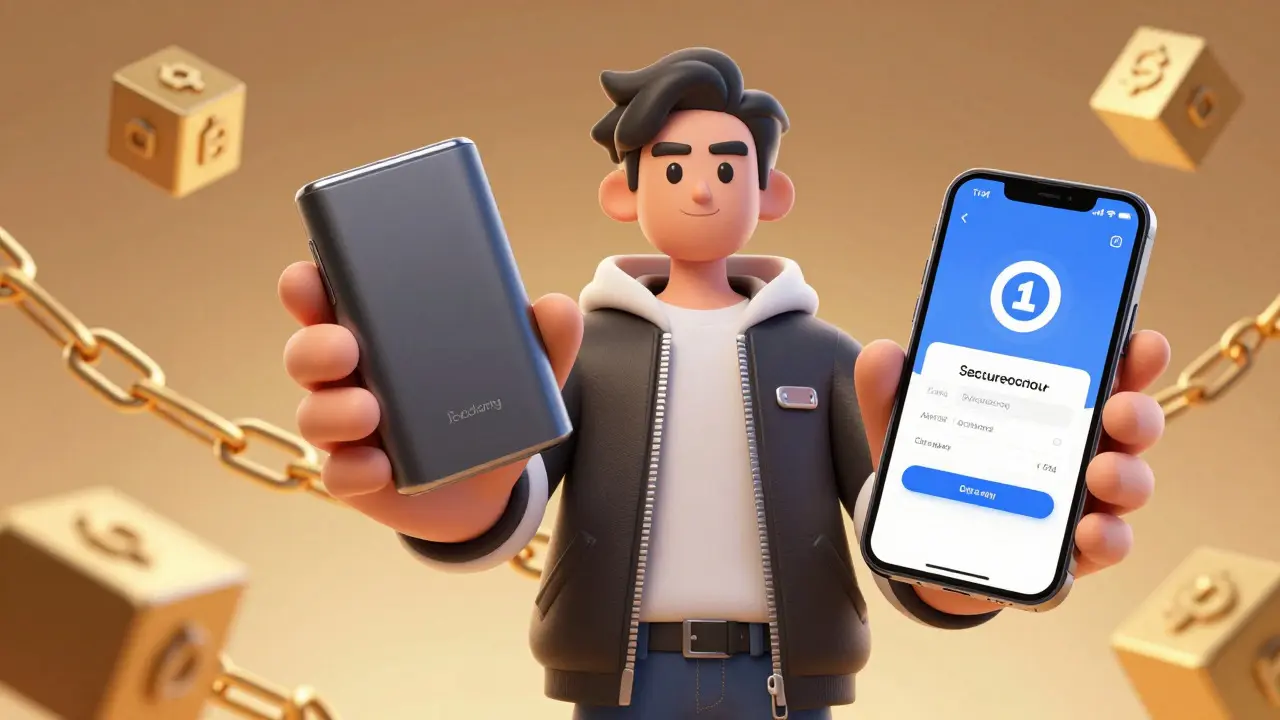
- Use Hardware Wallets: Store your long-term holdings in cold storage devices like Ledger or Trezor. Never keep large amounts on an exchange.
- Enable 2FA: Use an authenticator app (like Google Authenticator or Authy) rather than SMS verification, which can be intercepted via SIM swapping.
- Clear Cache Regularly: Browsers store cookies and cache that can reveal your browsing history. Clear them after each trading session, or use a private browsing window exclusively for crypto activities.
- Avoid Public Wi-Fi: Even with a VPN, public networks in cafes or airports in Dhaka can be risky. Use mobile data or a secured home connection whenever possible.
Troubleshooting Common Issues
Sometimes, despite having a premium VPN, you might still face issues accessing exchanges. Here is how to fix them:
- Exchange Still Detects You: Some advanced platforms detect VPN IP ranges. Try switching to a different server location within the same country. For instance, if New York fails, try Los Angeles. Residential IP proxies are harder to detect but more expensive.
- Slow Trading Speeds: If your ping is high, move to a geographically closer server. For Bangladesh users, servers in India, Singapore, or Dubai often provide better latency than those in Europe or North America.
- Connection Drops: Check your firewall settings. Sometimes, Windows Defender or third-party antivirus software blocks the VPN tunnel. Add the VPN app to your whitelist.
- Login Failures: Clear your browser cache and cookies. Reload the page. If the problem persists, contact your VPN's customer support. Most top-tier providers offer 24/7 live chat.
Is It Worth the Risk?
Trading crypto in Bangladesh involves navigating a gray area. While the Digital Security Act poses risks, thousands of citizens trade daily using these workarounds. The key is discretion. Don't broadcast your trades on social media, and always prioritize tools that leave minimal digital footprints.
Investing in a reliable VPN is not an expense; it's insurance. It protects your capital from being locked out of markets and shields your personal data from prying eyes. Whether you choose ExpressVPN for its raw speed or NordVPN for its comprehensive security suite, the goal remains the same: trade freely, securely, and anonymously.
Is using a VPN for crypto legal in Bangladesh?
While cryptocurrency itself exists in a regulatory gray area in Bangladesh, using a VPN is generally legal for general internet use. However, the central bank has issued warnings against crypto trading. Using a VPN helps maintain privacy, but traders should stay informed about changing local laws regarding digital assets.
Which server location is best for Bangladeshi crypto traders?
For speed and reliability, servers in Singapore, India, or Dubai are often the best choices due to geographical proximity. If you are trying to access US-based exchanges, servers in Canada or Mexico may offer better success rates than direct US connections, as some platforms block obvious VPN IPs from the US.
Can I use a free VPN for crypto trading?
It is highly discouraged. Free VPNs often have data caps, slow speeds, and weak encryption. Worse, many sell user data to advertisers. For financial transactions involving sensitive wallet addresses and seed phrases, a paid service with a strict no-log policy is essential.
Does NordVPN accept cryptocurrency payments?
Yes, NordVPN accepts various cryptocurrencies through payment processors like CoinGate. This allows users to subscribe without providing credit card details, adding an extra layer of anonymity to their setup.
What is a Kill Switch and why do I need it?
A Kill Switch is a security feature that automatically disconnects your device from the internet if the VPN connection drops. This prevents your real IP address from being exposed to websites or exchanges momentarily during a glitch, ensuring continuous privacy.
Will a VPN hide my crypto transactions from the blockchain?
No, a VPN does not hide transactions on the blockchain itself, as all crypto ledgers are public. However, it hides your IP address, preventing observers from linking your physical location and identity to your public wallet address.