
Imagine depositing your hard-earned savings into a digital wallet, only to find the door locked from the outside. For many users of LioTrade (also known as LYOTRADE), this isn't just a hypothetical nightmare-it’s a recurring reality. If you are looking for a quick answer on whether LioTrade is safe, the short response is a resounding no. As we move through 2026, the consensus among financial regulators and user communities is clear: LioTrade operates with significant red flags that make it a high-risk environment for your capital.
The platform presents itself as a straightforward cryptocurrency trading interface, appealing primarily to beginners who might be intimidated by complex charts and order books. However, beneath its simple design lies a structure fraught with regulatory warnings and operational failures. This review breaks down exactly what is happening behind the scenes, why major authorities like the UK's Financial Conduct Authority have stepped in, and where you should actually put your money instead.
The Regulatory Red Flag: Why Jurisdiction Matters
When choosing a crypto exchange, the first thing you should check is not the fee schedule or the app design, but where the company is legally registered. LioTrade operates out of Saint Vincent and the Grenadines. While this Caribbean nation offers low taxes, it is also famous for having some of the loosest financial oversight in the world. In the context of crypto trading, this means there is virtually no government body standing between you and a bad actor.
The most critical piece of evidence against LioTrade comes from the Financial Conduct Authority (FCA), the UK’s primary financial regulator. The FCA has explicitly flagged LioTrade as an unregulated broker. This isn't a minor footnote; it is a formal warning. When the FCA issues such a notice, it means the firm does not hold the necessary licenses to offer investment services to UK consumers. More importantly, it suggests the firm may not meet basic standards for client fund segregation, meaning your money could be mixed with the company’s operating funds-or worse, disappear entirely.
Compare this to established giants like Coinbase or Kraken. These platforms operate under strict licensing regimes in the US, Europe, and Asia. They are required to undergo regular audits, maintain insurance coverage for digital assets, and adhere to Anti-Money Laundering (AML) protocols. LioTrade lacks these safeguards. Without regulatory oversight, there is no recourse if the platform freezes your account or refuses a withdrawal. You are essentially trusting them with your money based on hope rather than legal guarantee.
User Experience: Sluggish Performance and Hidden Costs
Beyond the legal risks, the actual experience of using LioTrade leaves much to be desired. User feedback across various forums and review sites paints a picture of a platform struggling with basic technical competence. The interface is undeniably simple, which sounds good until you try to execute a trade during volatile market hours.
Many users report sluggish performance, where orders take seconds or even minutes to register. In the fast-paced world of cryptocurrency, where prices can swing by double-digit percentages in an hour, delayed execution can turn a potential profit into a significant loss. This latency often points to inadequate server infrastructure. Established exchanges invest millions in high-frequency trading servers and redundant data centers to ensure uptime and speed. LioTrade appears to lack this level of investment.
Furthermore, the simplicity of the interface hides a lack of advanced tools. Experienced traders need features like limit orders, stop-losses, and real-time depth charts to manage risk effectively. LioTrade’s basic setup forces users into a "market buy/sell" mentality, which is fine for casual speculation but dangerous for serious investing. You don’t have the controls to protect your position when the market turns against you.
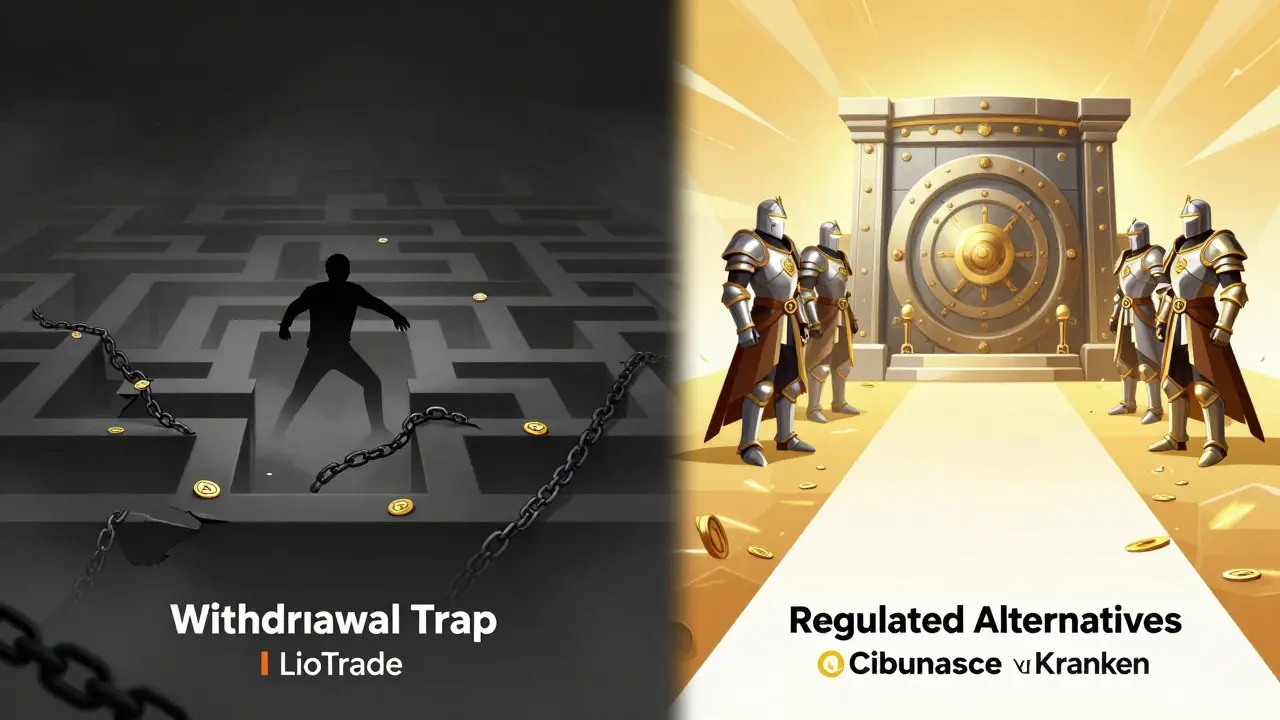
The Withdrawal Trap: A Common Scam Pattern
If there is one universal sign of a problematic crypto platform, it is difficulty withdrawing funds. This is perhaps the most alarming aspect of the LioTrade reviews. Users frequently describe a smooth deposit process-often encouraging large initial sums-but a labyrinthine withdrawal process.
Common complaints include:
- Hidden Fees: Sudden deductions labeled as "network fees," "taxes," or "verification costs" that appear only when you try to cash out.
- Endless Verification: Requests for additional documents long after the initial signup, used as a stalling tactic to keep funds frozen.
- Unresponsive Support: Customer service channels that go silent once money is involved, leaving users with generic email responses or no reply at all.
This pattern mirrors tactics used by outright scam operations tracked by agencies like the California Department of Financial Protection and Innovation. The goal is to get your money in, create dependency, and then make it nearly impossible to get it back. Even if LioTrade is not a fraudulent entity in the traditional sense, its operational model shares too many characteristics with predatory schemes to be trusted with significant capital.
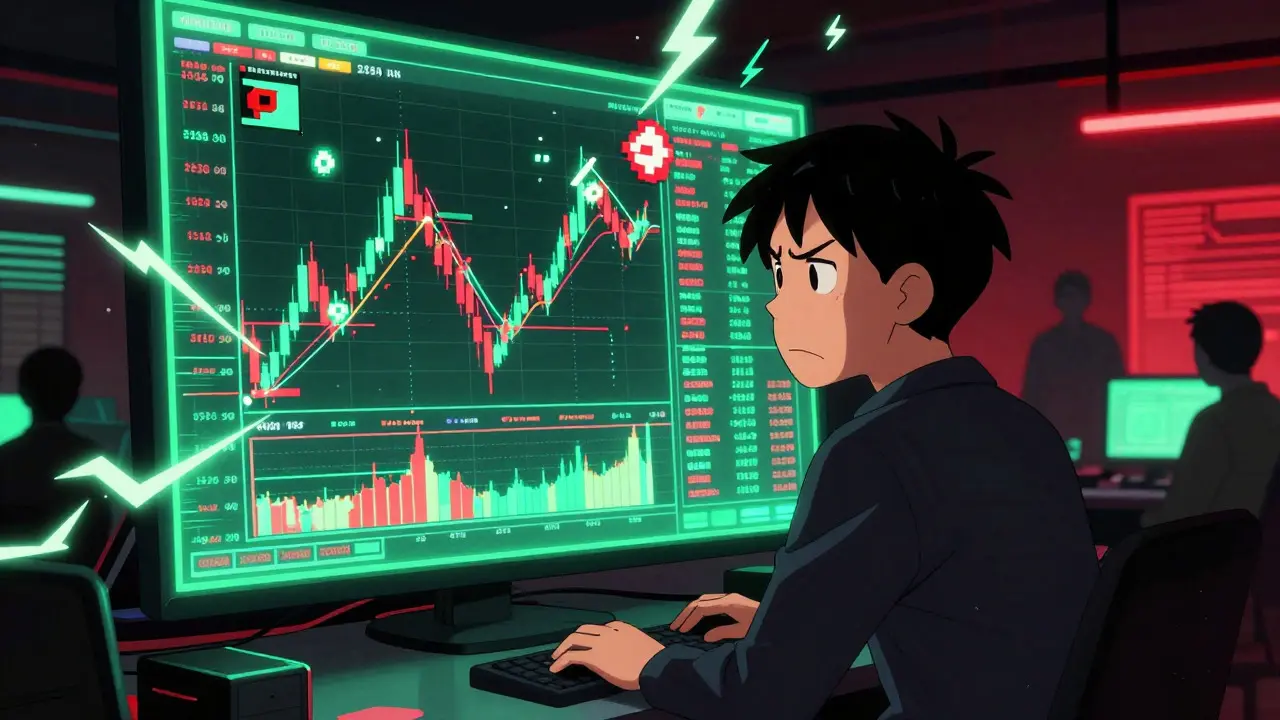
How LioTrade Compares to Regulated Alternatives
To understand why LioTrade falls short, it helps to compare it directly with industry leaders. The table below highlights the key differences in security, regulation, and reliability.
| Feature | LioTrade | Coinbase / Kraken | Binance |
|---|---|---|---|
| Regulatory Status | Unregulated (FCA Warning) | Fully Licensed (US/EU/UK) | Licensed in Multiple Jurisdictions |
| Jurisdiction | Saint Vincent & Grenadines | USA / Ireland / Japan | Global (Multiple Entities) |
| Client Fund Protection | None Verified | Segregated Accounts + Insurance | Safety Fund + Segregation |
| Trading Tools | Basic Market Orders Only | Advanced Charts, API, Staking | Spot, Futures, Options, P2P |
| User Reputation | Poor (Withdrawal Issues) | High (Industry Standard) | Mixed (Regulatory Scrutiny but Reliable Tech) |
As you can see, the gap is wide. Platforms like Coinbase prioritize trust and compliance, making them ideal for beginners who want peace of mind. Binance offers depth and variety for those who want more control, despite facing its own regulatory hurdles in specific countries. LioTrade offers neither the safety of Coinbase nor the utility of Binance.
Who Should Avoid LioTrade?
Given the evidence, almost everyone should avoid LioTrade. Here is a breakdown of why different types of traders should steer clear:
- Beginners: You might think the simple interface is helpful, but without educational resources or reliable support, you are likely to make costly mistakes. Plus, losing your first investment to a shady platform sets a terrible precedent.
- Long-term Investors: If you plan to hold Bitcoin or Ethereum for years, you need a custodian that will still be around and solvent. An unregulated offshore entity poses a massive counterparty risk.
- Active Traders: The sluggish performance and lack of advanced order types mean you will lose money to slippage and poor timing. You need speed and precision, which LioTrade cannot provide.
Red Flags to Watch For in Any Crypto Platform
While LioTrade serves as a prime example of what to avoid, the crypto space is filled with similar entities. Use this checklist to vet any new exchange before you deposit a single dollar:
- Check Regulatory Warnings: Search the name of the exchange along with "FCA warning," "SEC enforcement," or "CySEC blacklist." If they appear, run away.
- Verify the Jurisdiction: Be skeptical of companies registered in tax havens with weak financial laws unless they also hold licenses in major economies like the US, UK, or EU.
- Test Small Withdrawals First: Never deposit your full intended amount immediately. Deposit $10, trade a little, and then try to withdraw. If the process is difficult, stop there.
- Read Recent Reviews: Look for reviews from the last 3-6 months. Old positive reviews can be faked or outdated. Current negative trends are telling.
- Look for Transparency: Legitimate companies list their leadership team, physical address, and contact information clearly. Anonymous teams are a major risk.
Final Verdict: Stick to the Giants
In 2026, the cryptocurrency market is mature enough that you have no excuse to use an unverified, unregulated platform like LioTrade. The risks far outweigh any perceived convenience. Your capital deserves protection, transparency, and reliable technology. By choosing established, regulated exchanges, you ensure that your focus remains on market strategy rather than fighting to recover your funds.
LioTrade fails on multiple fronts: regulatory compliance, technical performance, and user trust. It is a platform that exists in the shadows of the legitimate crypto economy. Save yourself the stress and potential financial loss by sticking to names you know and trust. The difference in security and peace of mind is worth every penny.
Is LioTrade a scam?
While "scam" implies intent to defraud from day one, LioTrade exhibits many characteristics of predatory trading platforms. The UK's Financial Conduct Authority (FCA) has flagged it as an unregulated broker, and numerous users report difficulties withdrawing funds. Whether intentional or due to incompetence, the result for the user is the same: high risk of losing money with little recourse.
Why is the FCA warning important for LioTrade users?
The Financial Conduct Authority (FCA) protects consumers in the UK. When they issue a warning, it means the firm does not have the license to operate legally in that jurisdiction. This indicates a lack of oversight, meaning client funds are not segregated or insured. If the platform goes bankrupt or disappears, users have no legal protection to get their money back.
Where is LioTrade based?
LioTrade is registered in Saint Vincent and the Grenadines. This is an offshore jurisdiction known for minimal financial regulation. While this allows the company to operate with fewer restrictions, it also means there is very little government oversight to protect investors or enforce fair trading practices.
What are safer alternatives to LioTrade?
Safer alternatives include regulated exchanges like Coinbase, Kraken, and Bitstamp. These platforms are licensed in major jurisdictions like the US and Europe, undergo regular audits, and offer better customer support and security features. For advanced traders, Binance and Bybit are popular, though users should check local regulations for their specific country.
Can I withdraw my money from LioTrade easily?
User reports suggest that withdrawals are often difficult. Many users face hidden fees, lengthy verification processes, or unresponsive customer support when trying to cash out. It is highly recommended to test a small withdrawal before depositing significant amounts to gauge the platform's reliability.
Does LioTrade offer advanced trading tools?
No, LioTrade offers a very basic interface with limited functionality. It lacks advanced charting, limit orders, stop-losses, and other tools essential for managing risk in volatile markets. This makes it unsuitable for serious or active traders who need precise control over their entries and exits.
Is my data safe on LioTrade?
There is little public information regarding LioTrade's cybersecurity measures. Unlike major exchanges that publish security audits and use multi-signature wallets, LioTrade's transparency is low. This raises concerns about both data privacy and the security of stored digital assets.
Harman Singh
August 12, 2026 AT 08:03man this is so frustating i lost money on these sites before and nobody helps u just take the cash and run it makes me sick inside why do they let this happen
Qolbina Islami
August 13, 2026 AT 20:15The fact that American regulators are sleeping on this while offshore scammers feast on our capital is absolutely UNACCEPTABLE!!! We need stricter laws NOW!!! These guys are stealing from hardworking Americans who just want to invest in their future!!! It’s a disgrace to our financial system!!! Wake up people!!!
SUBHAM CHOUDHURY
August 14, 2026 AT 09:41You can totally bounce back from this! Don't let one bad experience stop you from reaching your financial goals. Just take a deep breath, learn from it, and move forward with better choices. You've got this!
Joy Kwant
August 15, 2026 AT 06:55It really drains my soul to see people being taken advantage of like this. The greed of these companies is endless and it feels like no one cares about the little guy anymore. I just sit here feeling so heavy knowing how many families are hurting because of these shady operations.
amy miranda
August 16, 2026 AT 03:41Oh, please. Another generic warning about an unregulated exchange? How utterly tedious. One would think by now everyone would have developed the basic cognitive ability to distinguish between a reputable institution and a fly-by-night operation. But no, we must be spoon-fed every single detail as if we are incapable of independent thought. It is truly exhausting to witness such collective ignorance on a daily basis.
Amor Jordan
August 16, 2026 AT 16:47I hear you, Amy. It is frustrating when people don't listen. But remember, not everyone has had the same opportunities or education regarding finance. Let's try to be kind instead of judgmental. Everyone deserves a second chance to learn and grow without being shamed for their mistakes.
Nick Darring
August 18, 2026 AT 14:53Look, I know what you're all saying, and sure, LioTrade might seem sketchy on paper, but have you ever considered that maybe the regulatory bodies are just trying to stifle innovation? I mean, think about it, the big players like Coinbase and Kraken are part of the establishment, right? They benefit from keeping the rules strict so new competitors can't enter the market easily. Maybe LioTrade is just a victim of corporate bullying, or perhaps there's a nuance to their Saint Vincent registration that the FCA isn't fully grasping because they're stuck in their old ways. I'm not saying it's perfect, but maybe we should give them a bit more leeway before writing them off completely, especially since sometimes the most disruptive innovations come from places outside the traditional system, and who knows, maybe they're building something revolutionary that just needs time to mature, unlike these slow-moving giants that are terrified of change.
Eden Tadesse
August 20, 2026 AT 13:03i agree with nick kinda like maybe its not all bad but still seems risky tho
Eric Zehr
August 22, 2026 AT 01:00Stay strong, everyone. Knowledge is power, and sharing these insights helps protect the community. Let's keep supporting each other and making informed decisions moving forward.
Namrata Mapgaonkar
August 22, 2026 AT 07:38in india we also have many such scams :( so sad really :(( be careful friends
Rita Dutta
August 23, 2026 AT 17:48the epistemological crisis of modern finance is laid bare here; we trust algorithms over human intuition yet fall prey to the very digital phantoms we created. it is a kafkaesque nightmare where the door locks from the outside and the key dissolves into ether. quite poetic really in its tragedy.
Paul Smith
August 24, 2026 AT 01:20Hey folks! 👋 Just wanted to say thanks for sharing this info. It's super important to stay safe out there! 🙌 Keep looking out for each other! 💪😊
Rodmun Tarnowski
August 24, 2026 AT 10:28Indeed, this is a crucial piece of information!!! Everyone should read this carefully!!! Stay safe and secure!!!