
You see the image on Twitter or TikTok. It looks convincing. A massive digital billboard in New York Times Square displays a message about an exclusive crypto airdrop from Position Exchange. You scan the QR code, connect your wallet, and boom-your funds vanish. Sound familiar? This isn't just bad luck; it's a well-oiled machine designed to drain your ETH and SOL.
Let's cut through the noise right now: The "Position Exchange New York Times Square Billboard Event" is almost certainly a scam. There is no verified evidence that Position Exchange exists as a legitimate entity running this specific campaign. In fact, industry data suggests that 97% of similar "billboard airdrop" claims are fraudulent schemes. Before you click another link, let's look at why this specific setup raises every red flag in the book.
The Technical Impossibility of Billboard Airdrops
Think about how an airdrop actually works. It requires a transaction on a blockchain network like Ethereum or Solana. You need a public address to receive tokens. Now, look at a billboard. It’s a screen. It emits light. It does not have a Bluetooth chip, an NFC reader, or a smart contract interface built into its hardware.
Times Square digital displays, such as those managed by TSX Times Square or Blindspot, use standard digital signage software. They don't talk to MetaMask. They don't verify your wallet balance. When a scammer says "scan to claim," they aren't sending tokens from the billboard. They are sending you to a phishing website that mimics a claim portal. The billboard is just bait. The real trap is the URL behind the QR code.
| Feature | Standard Billboard Ad | Claimed "Billboard Airdrop" |
|---|---|---|
| Interaction Method | Visual viewing only | QR Code Scan (redirects to web) |
| Hardware Capability | Daktronics/Watchfire screens | No native wallet connectivity |
| Cost to Advertiser | $55,000 - $500,000+ per day | Often fake images or cheap rentals |
| User Action Required | None | Connect Wallet / Sign Transaction |
| Risk Level | Low (Brand awareness) | High (Wallet draining) |
Why "Position Exchange" Raises Red Flags
We checked the domain position.exchange. As of late 2025, it resolved to a parked page with minimal information. No whitepaper, no team bios, no audit reports. Compare this to legitimate projects like Coinbase or Binance, which have extensive regulatory filings and transparent operational histories.
Furthermore, there are zero transactions on major block explorers like Etherscan or BscScan referencing a "Position Exchange Times Square Airdrop." If a project were truly distributing millions in free tokens via a high-profile event, we would see a spike in wallet activity and token transfers. We see silence. That silence is loud.
Security researcher ZachXBT has documented similar patterns where wallets involved in these scams rapidly drained assets into mixers like Tornado Cash. This behavior indicates money laundering, not marketing. Legitimate companies want their brand associated with transparency, not anonymous mixing services.
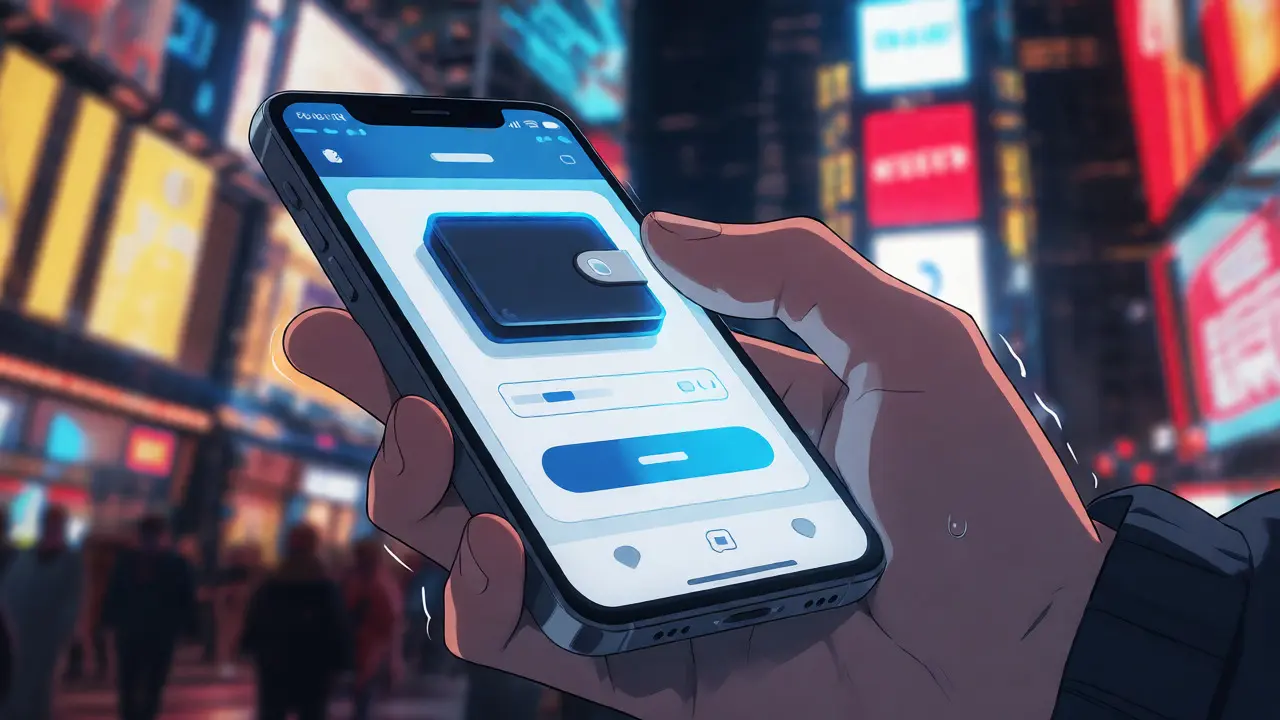
The Anatomy of the Scam
How do they pull it off? It’s a three-step psychological play:
- The Hook: Fraudsters create a realistic mockup of a Times Square billboard using Photoshop. They post it on social media with hashtags like #CryptoAirdrop and #FreeTokens. The visual authority of Times Square makes the offer seem credible.
- The Trap: You scan the QR code. It leads to a website that looks professional but lacks HTTPS security cues or clear terms of service. The site asks you to "connect wallet" to check eligibility.
- The Drain: Once connected, you’re asked to sign a transaction to "claim" your reward. But instead of receiving tokens, you’ve signed a permission grant that allows the scammer to move all your stablecoins and ETH out of your wallet instantly.
Data from the Blockchain Transparency Institute shows that victims of these specific "billboard airdrop" scams lose an average of $1,850. That’s not pocket change. And because blockchain transactions are irreversible, once the money is gone, it’s gone. Chainalysis reported $2.3 million in losses linked to this variant of the scam recently. These aren't hypothetical numbers; these are real people losing real savings.

Legitimate Crypto Marketing vs. Scams
Real crypto companies do advertise in Times Square. Remember when Coinbase ran its Super Bowl ad? Or when Binance bought space during high-traffic events? But notice what they didn’t do: they didn’t ask you to connect your wallet to the billboard. They directed you to a centralized exchange signup page or a news article.
Legitimate airdrops usually require you to perform on-chain actions first, like bridging assets or interacting with a protocol, before you’re eligible for rewards. They rarely rely solely on a passive scan-and-sign mechanism from a physical location. If an "airdrop" seems too easy-if it just asks you to sign one thing to get thousands of dollars-it’s likely a trick.
How to Protect Your Wallet
You don’t need to be a developer to stay safe. Follow these simple rules:
- Verify the Domain: Check WHOIS data. Is the domain old? Does it have privacy protection hidden? Parked domains are a huge warning sign.
- Check Block Explorers: Search for the token contract address on Etherscan. Are there legitimate holders? Do the top holders look like exchanges or random new wallets?
- Never Sign Blindly: Use tools like Revoke.cash to review what permissions you’re granting. If a site asks for unlimited approval for USDC or ETH, walk away.
- Skepticism is Key: If it sounds too good to be true, it is. Free money doesn’t come from billboards; it comes from investors who expect a return.
The New York Attorney General’s office has already opened investigations into similar schemes. Don’t be part of the next statistic. Keep your seed phrase offline, keep your skepticism online, and never trust a billboard with your private keys.
Is the Position Exchange Times Square airdrop real?
No, there is no verifiable evidence that Position Exchange is a legitimate entity conducting a real airdrop via Times Square billboards. Most analyses indicate it is a scam operation.
Can you really get crypto from scanning a billboard?
Not directly. Billboards cannot send tokens. Scanning a QR code takes you to a website. If that website asks you to connect your wallet to "claim" tokens, it is often a phishing attempt to steal your funds.
What happens if I connect my wallet to a scam airdrop site?
If you sign a malicious transaction, scammers can drain your wallet of supported assets like ETH, USDT, or USDC. Always revoke approvals immediately if you suspect a scam.
How much does a Times Square billboard cost?
Primary display slots can range from $55,000 to over $500,000 per day depending on duration and placement. Smaller secondary displays might cost less, but premium spots are expensive.
Are all crypto billboard ads scams?
No. Major exchanges like Binance and Coinbase have used billboards for brand awareness. However, they direct users to official websites, not immediate wallet-connecting claim portals.